
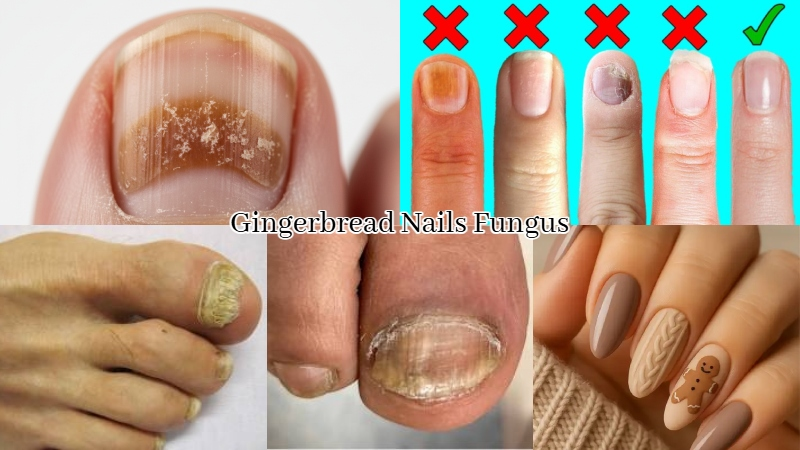
The term Gingerbread Nails Fungus might sound harmless or soft, but in reality, it describes a stubborn nail infection that affects colour, strength, and texture. Also known medically as onychomycosis, this infection often causes nails to turn brownish, golden, or ginger-coloured. Understanding what it is, how it looks, and what helps treat it can guide you to healthy, clean, and strong nails again.
What Is Gingerbread Nail Fungus?
Gingerbread Nails Fungus is a fungal infection that begins under the nail and slowly spreads upward. The nail can change colour, thicken, become brittle, and sometimes separate from the nail bed. It affects both fingernails and toenails, though toenails are more commonly involved because shoes trap moisture and warmth.
Anyone can develop this condition, especially those who wear tight shoes, visit public pools, or have a weaker immune system. While not usually dangerous, it is uncomfortable and requires proper care.
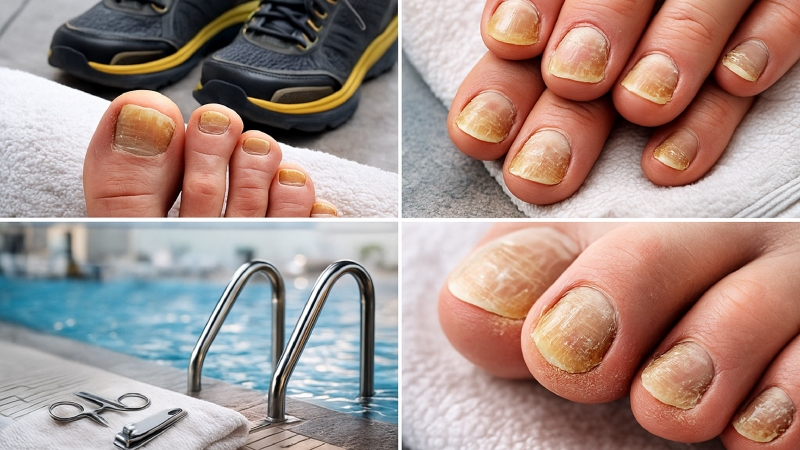
Common Symptoms
| Symptom | Description |
|---|---|
| Colour Change | Nail turns yellow, golden, or brown like gingerbread. |
| Thick Texture | Nails become hard, brittle, or difficult to trim. |
| Texture/Surface Change | The surface may look crumbly, powdery, or uneven. |
| Unpleasant Odour | A mild smell may appear due to fungal activity. |
| Nail Separation | A nail may lift from the skin beneath it. |
| Pain or Redness | Surrounding skin may feel sore or irritated. |
Detecting symptoms early makes treatment easier and faster.
Main Causes of Gingerbread Nail Fungus
Several daily habits and health conditions can lead to Gingerbread Nails Fungus. The fungus thrives in warm, damp places, especially in the crevices of closed shoes. Common causes include:
- Wearing tight or poorly ventilated footwear
- Walking barefoot in public showers, gyms, or pools
- Poor foot hygiene or long hours in sweaty socks
- Sharing nail tools or visiting salons that don’t sanitise equipment
- Health issues such as diabetes or low immunity
- Nail cracks or injuries that allow fungus to enter
These factors create ideal conditions for fungal growth and nail infection.
Safety and Prevention Tips
Protecting yourself from Gingerbread Nail Fungus is easy when you follow basic hygiene habits:
- Keep nails clean, short, and fully dry
- Wear slippers in public pools or bathrooms
- Dry your feet well after showers or workouts
- Use breathable cotton socks and change them daily
- Don’t share nail clippers, files, or tools
- Remove shoes during the day to let feet breathe
- Disinfect manicure or pedicure tools before use
Prevention is always easier than treatment.
Home Remedies That Help
Mild fungal infections can be treated at home with natural antifungal ingredients.
Tea Tree Oil
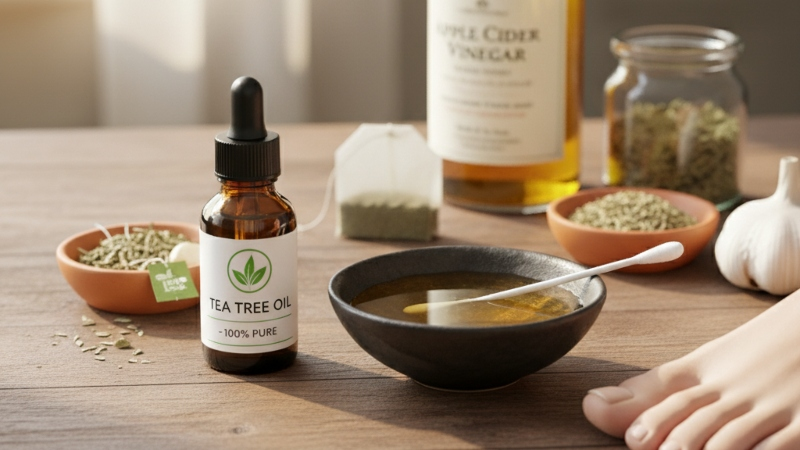
Mix a few drops with coconut oil, then apply daily with a cotton swab. It supports healthier nail regrowth.
Apple Cider Vinegar
Mix equal parts warm water and vinegar. Soak nails 15–20 minutes a day. Its acidity helps fight fungal spread.
Garlic Paste
Crush fresh garlic and blend with olive oil. Apply for 30 minutes before rinsing.
Baking Soda
Make a paste with water and apply for 10 minutes, then rinse. It reduces odour and absorbs moisture.
Lemon Juice
Use daily to brighten discolouration and slow fungal activity.
Important Home Remedy Warning:
Natural remedies are helpful only for mild infections. If you see bleeding, severe pain, increasing swelling, or no improvement within a few weeks, you must visit a doctor. Always test ingredients on a small patch of skin first to avoid allergic reactions, especially with tea tree oil.
Doctor’s Treatment Options
When Gingerbread Nails Fungus becomes severe, medical treatment is the safest and most effective choice. Doctors may recommend:
- Antifungal Nail Lacquers or Creams: Applied directly to the nail to slowly break down the infection.
- Oral Antifungal Tablets: Medicines such as itraconazole or terbinafine are taken for 6–12 weeks. They are very effective but may require liver-function monitoring because they can affect the liver in rare cases.
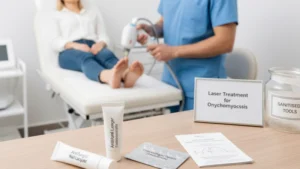
- Laser Treatment: Targets the fungus under the nail without pain.
- Surgical Nail Removal: Only used in advanced cases where the nail is badly damaged.
Always complete the full course of treatment, even if the nail begins to look better.
Long-Term Nail Care
After the infection clears, protect new nail growth by:
- Keeping nails trimmed and clean
- Wearing breathable shoes
- Avoiding long periods in damp socks
- Choosing clean, well-sanitised salons
- Moisturising nails and cuticles regularly
Healthy habits prevent reinfection and support stronger nails.
Key Takeaways
With consistent care and the right treatment approach, you can overcome Gingerbread Nails Fungus and restore your nails’ natural shine and strength. Early action, proper hygiene, and medical guidance when needed are the keys to healthy, beautiful nails again. With patience and good habits, you can completely protect yourself from future infections and maintain long-lasting nail health.
Looking for something specific? Stay connected for more updates.

Erin Durkheim is an author and content contributor at Gingerbread Nails, covering nail designs, nail care, beauty tips, fashion, and product-related topics. She focuses on creating practical, easy-to-understand content that helps readers explore nail trends, care routines, and everyday beauty ideas.