
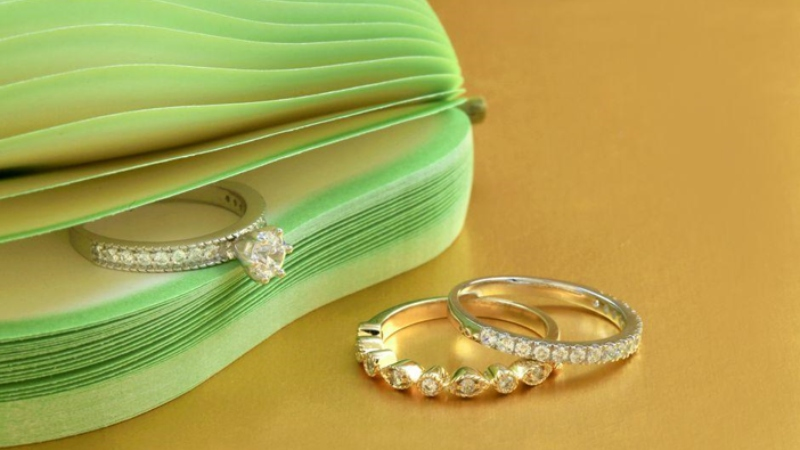
Two diamonds can share the same carat weight, similar color, and comparable clarity, yet one may appear lively while the other seems quiet. This difference often surprises buyers, as many assume sparkle comes mainly from size or purity. In reality, a diamond’s visual energy depends on how well it handles light. The most impressive diamonds are not simply large or clear. They are cut in a way that allows light to enter, move through the stone, and return to the eye with strength and movement.
Sparkle is one of the first things people notice when viewing diamond jewelry. It gives a ring, pendant, bracelet, or pair of earrings its sense of life. A well-cut diamond can look bright in different environments, while a poorly cut stone may seem flat even under favorable lighting. Understanding why some diamonds sparkle more than others helps buyers focus on the qualities that truly affect beauty, rather than relying only on surface impressions or numbers on a report.
Cut Quality Has the Greatest Influence
Cut quality is the main reason one diamond sparkles more than another. A diamond’s cut controls its proportions, facet arrangement, symmetry, polish, and overall light behavior. When a diamond is cut well, light enters through the top, reflects within the stone, and returns to the viewer’s eye. When the cut is weak, light may leak through the bottom or sides, making the diamond appear dull or dark.
This is why carat weight should not be treated as the only measure of visual impact. A larger diamond with poor proportions may not look as bright as a smaller diamond with excellent cut quality. The better-cut stone may appear more alive because it returns light more effectively. In the tiny theatre of diamond facets, cut is the director, lighting crew, and stage manager all at once.
What Optical Effects Create Diamond Sparkle?
Diamond sparkle is not a single visual phenomenon. Instead, multiple optical effects work together to create the appearance that buyers often describe as brightness, liveliness, or radiance. The way a diamond interacts with light depends heavily on cut quality because facet arrangement and proportions influence how effectively light enters, reflects within the stone, and returns to the viewer. Even diamonds with similar clarity, color, and carat weight can appear dramatically different when their light performance varies. Buyers who want to understand these visual effects in greater depth frequently research diamond fire brilliance to learn how different forms of light behavior contribute to a diamond’s overall appearance and perceived beauty.
These optical characteristics play a central role in diamond evaluation because they influence what observers notice first when viewing a stone. Light return affects overall brightness, dispersion contributes colorful flashes, and changing reflections create dynamic visual activity as the diamond moves. Together, these effects shape the impression of sparkle that consumers often associate with exceptional diamonds. Understanding the relationship between cut quality and light performance helps buyers interpret visual differences more accurately when comparing stones. It also shifts attention toward characteristics that have a direct impact on appearance rather than focusing exclusively on grading categories that may be less noticeable during everyday viewing. When consumers understand the science behind sparkle, they gain a stronger foundation for evaluating diamonds and identifying the qualities that contribute most to visual appeal.
Brilliance, Fire, and Scintillation Work Together
The sparkle people see in a diamond usually comes from three related effects: brilliance, fire, and scintillation. Brilliance refers to the white light returned from the diamond. Fire refers to colorful flashes created when light is separated into spectral colors. Scintillation describes the flashes, contrast, and movement that appear when the diamond, light, or viewer moves. A diamond with strong sparkle usually performs well in all three areas.
A stone with good brilliance may look bright and clean. A diamond with strong fire may show vivid flashes of color. A diamond with lively scintillation may seem animated, especially when the hand moves. The best visual result comes when these effects feel balanced. Too much darkness can reduce brightness, poor proportions can weaken fire, and uneven cutting can make the stone appear less lively.
Why Movement Changes the View
Diamonds are rarely viewed in a perfectly still environment. A ring moves as the wearer speaks, walks, gestures, or turns their hand. This movement changes how light enters and exits the stone. A well-cut diamond responds to movement with flashes and contrast, giving the impression of life. A poorly cut diamond may show less activity, making it feel sleepy even when it is technically large or clear.
This is why buyers should view diamonds from different angles and under different lighting conditions. A stone that looks impressive in one bright showroom position may not perform as well in natural light, shaded light, or softer indoor conditions. Real sparkle should not depend on one perfect beam of light. It should remain appealing across normal viewing situations.
Shape Changes the Style of Sparkle
The diamond shape also affects how sparkle appears. Round brilliant diamonds are designed for strong light performance and are often associated with classic sparkle. Oval, pear, marquise, princess, radiant, cushion, and emerald cuts each handle light differently. Some shapes produce intense glittering flashes, while others create broader, more elegant reflections.
Step-cut diamonds, such as emerald and Asscher cuts, usually do not sparkle in the same way as round brilliant diamonds. Their long facets create flashes that feel calmer and more architectural. Brilliant-cut shapes create more frequent sparkle and movement. Neither style is automatically better. The right choice depends on whether the buyer prefers lively glitter, quiet flashes, bold geometry, or soft romantic light.
Clarity and Color Still Matter, But Differently
Clarity and color can affect appearance, but they do not usually create sparkle in the same direct way cut does. It becomes more important when inclusions interfere with transparency or the movement of light. Many clarity characteristics are difficult to see without magnification, but certain inclusions can affect the stone’s visual openness if they are large, dark, or poorly placed.
Color affects the diamond’s overall tone. A colorless diamond may appear icy and bright, while a slightly warmer diamond may still look beautiful, especially in yellow gold or rose gold settings. Buyers should avoid treating color and clarity as isolated trophies. A diamond with excellent cut and balanced qualities can often look more appealing than one with higher grades but weaker light performance.
Modern Diamond Choices Still Depend on Light Performance
Whether a buyer is considering a natural diamond or a lab-grown diamond, sparkle still depends heavily on cut and craftsmanship. Lab-grown diamonds can be visually impressive when they are well cut, just as natural diamonds can be disappointing if they are poorly proportioned. Origin explains how a diamond was formed, but cut explains how it performs.
Buyers comparing options through resources about the best lab-grown diamonds should still pay close attention to cut quality, certification, proportions, and visual performance. A strong diamond choice is not only about selecting natural or lab-grown. It is about choosing a stone that delivers the kind of beauty, brightness, and wearability the buyer expects.
Style Trends Can Shape How Sparkle Is Presented
Sparkle does not exist in isolation. The setting, metal color, and surrounding style all influence how a diamond’s light is perceived. A solitaire setting places full attention on the center stone. A halo can increase the impression of brightness around the diamond. Pavé bands add surface shimmer, while clean metal bands can make the center stone feel more prominent and refined.
Fashion and beauty trends also influence how people think about shine, polish, and visual detail. Even style conversations outside jewelry, such as celebrity nail trends for 2026, show how reflective finishes, color, and small design details can change the way sparkle is noticed. In diamond jewelry, the same principle applies with greater permanence. Presentation affects perception, and the right setting helps the diamond’s light feel intentional rather than accidental.
Dedicated Brand Section: Why Expert Diamond Comparison Matters
A professional diamond comparison can help buyers understand sparkle more clearly than numbers alone. Reports provide important information, but visual performance often becomes easier to judge when stones are viewed side by side. A knowledgeable jewelry specialist can explain how cut grade, shape, proportions, polish, symmetry, and setting choice affect the final appearance.
This guidance is especially useful when diamonds appear similar on paper. Two stones may share the same carat weight and clarity grade, yet differ noticeably in brightness and movement. Expert evaluation helps buyers identify why those differences occur and whether the more visually lively diamond is worth prioritizing. A diamond purchase becomes more confident when sparkle is understood, not merely admired.
Conclusion
Some diamonds sparkle more than others because they handle light more effectively. Cut quality, facet arrangement, proportions, polish, symmetry, diamond shape, clarity, color, and setting design all influence the final appearance. Among these, cut usually has the strongest effect because it controls how light moves through the stone and returns to the eye.
A sparkling diamond is not simply the largest or highest-graded stone available. It is the diamond whose qualities work together to create brightness, fire, and movement. When buyers understand the optical reasons behind sparkle, they can compare diamonds more thoughtfully and choose a stone that feels alive in real life, not just impressive on paper.
Don’t miss out on future insights. Stay connected with us for all the latest developments.

Erin Durkheim is an author and content contributor at Gingerbread Nails, covering nail designs, nail care, beauty tips, fashion, and product-related topics. She focuses on creating practical, easy-to-understand content that helps readers explore nail trends, care routines, and everyday beauty ideas.