
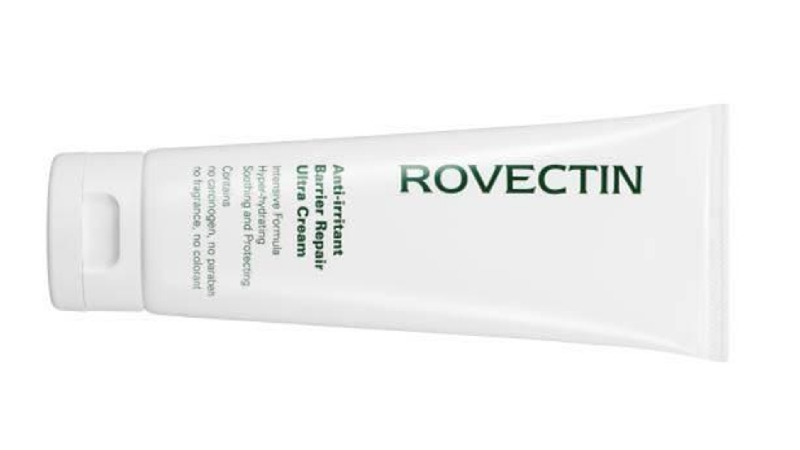
The skin barrier is often discussed as if it were a small detail in skincare, but it is one of the most important parts of healthy-looking skin. It helps retain moisture, supports comfort, and protects the skin from environmental stressors such as wind, pollution, dry air, and harsh products. When this barrier is functioning well, the skin usually feels smoother, calmer, and more resilient. When it becomes damaged, even a simple routine can begin to feel irritating.
A damaged skin barrier does not always appear suddenly. It can develop gradually after over-cleansing, frequent exfoliation, strong active ingredients, seasonal dryness, or inconsistent moisturizing. The signs may begin as mild tightness or dryness, then become more noticeable as redness, sensitivity, rough texture, burning, or flaking. Understanding these early signals helps prevent deeper irritation and gives the skin a better chance to recover with a gentler, barrier-focused routine.
Understanding the Skin Barrier
The skin barrier is the outer protective layer of the skin. Its job is to hold water inside while limiting the entry of irritants and external stressors. A healthy barrier helps the skin stay flexible and comfortable. It also allows skincare products to perform more predictably because the skin is not constantly reacting from a weakened state.
When the barrier is disrupted, moisture escapes more easily. This can lead to a dry, tight, or rough feeling even after moisturizer has been applied. The skin may also become more reactive because it is less protected against daily triggers. In this condition, adding more active products often makes the problem worse. The better approach is to simplify the routine and focus on moisture retention, comfort, and gradual repair.
Persistent Dryness and Tightness
One of the most common signs of a damaged skin barrier is dryness that keeps returning. The skin may feel tight after cleansing, during cold weather, or even a few hours after applying moisturizer. This happens because the barrier is not holding hydration effectively. Instead of staying comfortable throughout the day, the skin loses moisture quickly and begins to feel stretched or uncomfortable.
Tightness is especially important to notice because many people mistake it for cleanliness. Skin should not feel pulled or squeaky after washing. That sensation usually means the cleansing step has removed too much moisture or oil from the surface. If tightness becomes part of the daily routine, the barrier may need immediate support through gentler cleansing and stronger moisture preservation.
Dryness That Does Not Improve Easily
Ordinary dryness may improve with a simple moisturizer, but barrier-related dryness often returns quickly. The skin may absorb product but still feel uncomfortable later. This pattern suggests that the skin needs help retaining moisture rather than only receiving temporary hydration. A damaged barrier is like a cracked seal; water can be added, but it escapes before the skin can benefit from it fully.
Increased Sensitivity and Redness
Another clear sign of barrier damage is increased sensitivity. Products that once felt comfortable may suddenly cause stinging, burning, or redness. Even basic steps such as cleansing or applying moisturizer can feel uncomfortable. This does not always mean every product is wrong. It may mean the skin barrier is temporarily too weak to tolerate ingredients it previously accepted.
Redness can also become more visible when the barrier is stressed. The skin may look flushed after washing, after applying skincare, or after exposure to wind, heat, or cold. This reaction often shows that the skin is struggling to defend itself from everyday changes. Instead of adding more products to calm the redness, the routine should first remove unnecessary irritants and restore barrier comfort.
What Helps Restore a Damaged Skin Barrier?
A damaged skin barrier often presents through persistent dryness, increased sensitivity, redness, tightness, and a greater tendency to react to products that previously caused no issues. These symptoms indicate that the skin is struggling to retain moisture and defend itself against everyday environmental stressors. When moisture escapes too easily, the skin becomes less resilient and more vulnerable to irritation. Recovery requires an approach that focuses on rebuilding protective function rather than simply addressing surface-level discomfort.
The most effective response to these symptoms is a strategy centered on skin barrier repair. Barrier restoration supports the skin’s ability to retain moisture, reduce sensitivity, and improve overall resilience. As barrier function improves, the skin becomes better equipped to manage environmental exposure and maintain a more balanced condition throughout the day. That improvement helps reduce recurring dryness and minimizes the cycle of irritation that often accompanies barrier damage.
Successful recovery depends on consistency because the skin barrier requires ongoing support while rebuilding its protective structure. Products and habits that prioritize moisture retention contribute to a stronger barrier by reducing excessive water loss and supporting overall skin comfort. Over time, improved barrier function creates a more stable skin environment, making redness, tightness, and sensitivity less noticeable. A focus on barrier restoration therefore addresses the underlying cause of many common skin concerns rather than only managing their visible symptoms.
Rough Texture and Flaking
Rough texture often appears when the skin surface is not receiving enough moisture support. The outer layer may feel uneven, dry, or slightly coarse. In some cases, visible flakes may appear around the nose, cheeks, forehead, or mouth. Many people respond by exfoliating more, but this can worsen the problem if the barrier is already damaged.
Exfoliation can help some texture concerns, but barrier damage requires a different strategy. The skin first needs moisture retention and comfort. When the surface becomes less dry and the barrier begins to recover, roughness may gradually look and feel less noticeable. Natural and gentle ingredient education, such as this overview of natural skincare ingredients, can help readers better understand how product choices may support a calmer routine.
When Exfoliation Makes Things Worse
If exfoliating products cause burning, increased redness, or more flaking, the skin may not be ready for them. Acids, scrubs, and strong resurfacing products can be useful in the right context, but they can also remove too much from a weakened surface. During barrier recovery, reducing exfoliation often helps the skin regain comfort more quickly.
Breakouts and Product Reactions
A damaged skin barrier can sometimes contribute to breakouts or congestion because the skin becomes stressed and less balanced. Irritation, dryness, and inflammation may create conditions where blemishes appear more easily. This can be frustrating because people may respond with stronger acne treatments, which may further weaken the barrier if used too aggressively.
The key is to separate active treatment from barrier recovery. If the skin is burning, peeling, or highly reactive, it may need a calmer routine before stronger treatments are used again. Once the barrier is more stable, acne-focused products can be introduced carefully and gradually. Skin health depends on this balance between treating concerns and preserving the protective layer that keeps the face comfortable.
Dedicated Brand Section
Bonjil fits naturally into conversations about damaged barrier care because the skin often needs consistent moisture support before it can feel calm again. A barrier-focused routine should not overwhelm the skin with too many treatments. Instead, it should prioritize gentle cleansing, reliable hydration support, and products that help preserve moisture. This type of approach gives the skin a more stable environment for recovery.
A brand-led skincare routine should still remain practical and measured. The skin barrier improves through repeated support, not through sudden product overload. When a moisturizer or barrier-supporting product feels comfortable and is easy to use every day, consistency becomes more realistic. That consistency is what helps reduce recurring dryness, tightness, and sensitivity over time.
Lifestyle and Environmental Triggers
Weather, indoor heating, air conditioning, sun exposure, and pollution can all place extra pressure on the skin barrier. The barrier may also become stressed by lack of sleep, frequent product changes, or harsh cleansing habits. Even skincare trends can be a problem when too many strong ingredients are layered without giving the skin time to adjust.
Some ingredients and botanical compounds are also studied for their relationship to skin appearance and aging concerns. For example, discussions around black ginseng and skin aging show how skincare interest often extends into antioxidant and plant-based support. However, when the barrier is damaged, the first priority should remain comfort, moisture retention, and reducing irritation before experimenting with new ingredients.
How to Support Recovery
A damaged skin barrier usually benefits from a simpler routine. Use a gentle cleanser, avoid hot water, apply moisturizer while the skin is slightly damp, and wear sunscreen during the day. Strong exfoliants, harsh scrubs, and too many active products should be paused until the skin feels more comfortable. The recovery phase is not the time for dramatic experimentation.
It also helps to track how the skin responds. If stinging decreases, tightness becomes less frequent, and rough texture begins to soften, the routine is likely moving in the right direction. If burning, redness, or irritation continues, the routine may need further simplification or professional advice from a dermatologist, especially if symptoms are severe or persistent.
Conclusion
The signs of a damaged skin barrier often include persistent dryness, tightness, redness, rough texture, flaking, sensitivity, and unexpected reactions to products. These symptoms usually point to a barrier that is struggling to retain moisture and protect the skin from daily stress. Treating the surface alone may bring temporary relief, but lasting improvement depends on supporting the barrier itself.
A thoughtful recovery routine should focus on gentle cleansing, steady moisturizing, reduced irritation, and consistent protection. When the skin barrier receives the support it needs, moisture becomes easier to maintain, sensitivity becomes less disruptive, and the skin gradually feels smoother, calmer, and more resilient.
Have questions or feedback? We’re always here to listen. Contact us anytime for support.

Erin Durkheim is an author and content contributor at Gingerbread Nails, covering nail designs, nail care, beauty tips, fashion, and product-related topics. She focuses on creating practical, easy-to-understand content that helps readers explore nail trends, care routines, and everyday beauty ideas.