
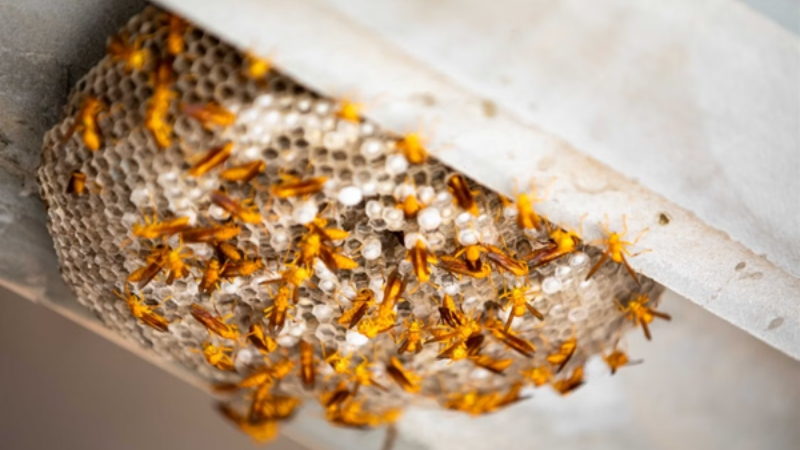
If pests are present in your home or office, you don’t want a Band-Aid solution. You want the problem resolved without creating new concerns. Choosing the wrong pest control company can waste money, delay treatment, and allow an infestation to grow. This is why your selection is as crucial as the treatment you get.
Many of these issues can be prevented by checking out pest control companies prior to ordering their services. Don’t consider just the price; look for experience, treatment options, service promises, communication, and customer reviews. A good provider provides you with clear answers and lets you know what to expect.
Here are more tips to evaluate reliable pest control services.
1. Check Experience and Local Knowledge
First, consider how much experience the pest control company has.
A company with experience working with pests has a better idea of common pest behavior, treatment obstacles, and prevention requirements. Also, find out the duration of the reliable pest control service and if the technicians have knowledge of your pest issue.
Local knowledge is no less important. Pest levels may differ depending on local conditions, the properties, and the climate. An area specialist can spot patterns that can influence ongoing infestations. For instance, water, landscaping, construction openings, and temperature variations can affect the presence of pests.
It is also worth asking how often the technicians receive training updates. The methods for dealing with pests and the conditions for which products are used may not be the same as they were in the past.
2. Review Treatment Methods and Safety
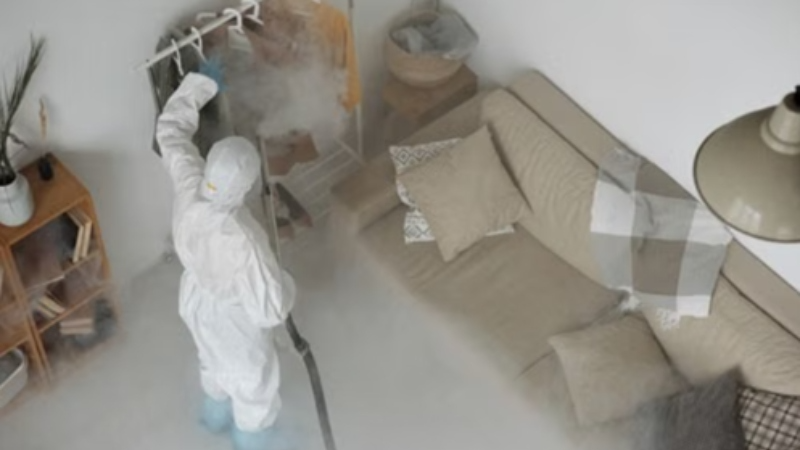
Inquire about the provider’s exact plan to resolve your pest issue.
A reliable pest control company should not make vague promises about the treatment. The company shouldn’t make any general promises. An explanation of the treatment approach, areas that need attention, and steps that may be required before or after service should be given.
Safety should also be given the same consideration. Discuss with them the types of products or treatments that technicians might use around people, pets, food areas, and other sensitive areas. A professional should let you know what precautions are relevant and not assume that you know them.
It is also worth asking whether prevention is part of the company’s approach. Successful pest control should be more than just control of obvious pests. The risk of another infestation can also be reduced by sealing entry points, minimizing moisture, eliminating food sources, and making appropriate property improvements.
3. Compare Inspections and Service Plans
A thorough inspection should be done before a major treatment whenever the pest problem is more complex. Ask what the technician will inspect and whether the company will identify the possible entry points or conditions that support pest activity. A detailed inspection can help connect visible symptoms with the source of the problem.
Furthermore, pay attention to how clearly the provider explains the service plan. You should know what areas will receive treatment, how often visits may occur, and what results you can reasonably expect. Clear information makes it easier to compare providers without relying on prices alone.
Lastly, recurring pest problems may require follow-up visits. Thus, ask whether the provider offers one-time treatments, scheduled service plans, or follow-up inspections. You should also understand what happens if pest activity continues after treatment. A clear service policy can prevent unpleasant surprises later.
4. Verify Reputation and Customer Feedback
Customer reviews can give you useful insight into service quality. Hence, look for patterns rather than focusing on one unusually positive or negative comment. Consistent feedback about punctuality, communication, technician professionalism, and treatment results can help you understand what customers commonly experience.
It is also useful to check whether the provider clearly lists its service areas and contact information. Professional businesses usually make it easy for customers to ask questions, request inspections, and understand available services. Difficult communication before service can become even more frustrating once treatment begins.
Do not ignore complaints but consider how the company responds to them. A thoughtful response can show that the provider takes customer concerns seriously. Look for evidence of clear communication and practical problem resolution rather than relying only on star ratings.
5. Compare Value, Guarantees and Communication
Although price is important, the lowest bid is not necessarily the best value. Instead, compare what each provider includes in its service. One company might be able to provide inspection, follow-up visits, prevention tips, and a service guarantee, while another might only be able to provide a basic treatment.
Before hiring a service, inquire about their guarantees. Determine the warranty conditions, how long the coverage lasts, and whether follow-up treatments involve additional conditions or fees. The written terms are particularly helpful as they provide you with something tangible to review before making a decision.
Last but not least, evaluate the quality of communication. The answers should be simple and not pressured or sales talk. If a provider can make the problem, treatment options, costs, precautions, and next steps clear, you can make a more informed choice. Communication should be consistent from the initial enquiry to follow-up service.
Conclusion
Choosing pest control services requires more than comparing prices. You should examine experience, local knowledge, treatment methods, safety practices, inspection quality, customer feedback, guarantees, and communication. Each factor can help you determine whether a provider is prepared to address your pest problem responsibly.
Start by asking specific questions and comparing written service details. Look for clear answers, suitable treatment methods, and practical prevention advice. By evaluating providers carefully, you can find pest control support that addresses the current problem while helping protect your property from future pest activity.

Erin Durkheim is an author and content contributor at Gingerbread Nails, covering nail designs, nail care, beauty tips, fashion, and product-related topics. She focuses on creating practical, easy-to-understand content that helps readers explore nail trends, care routines, and everyday beauty ideas.