
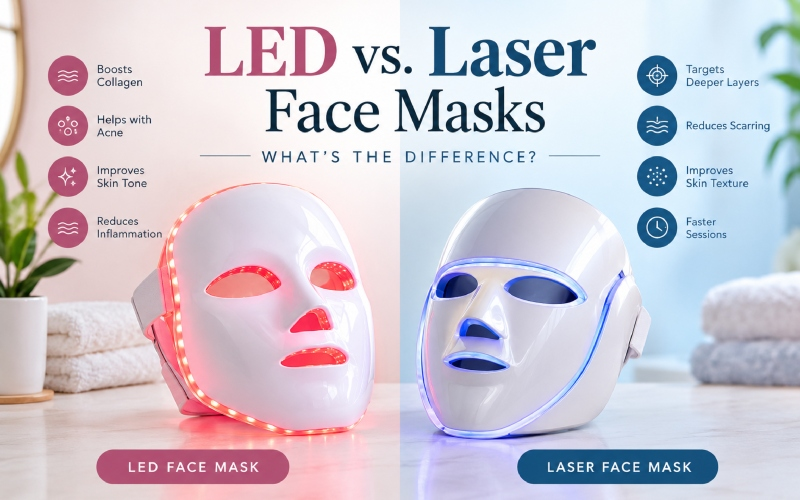
LED and laser face masks have become increasingly popular in the world of skincare, promising to improve overall skin appearance and target specific concerns such as acne, aging, and hyperpigmentation. But what exactly are these masks and how do they work? In this section, we will delve into the science behind LED and laser technology, as well as the differences between these two types of face masks.
What Are LED and Laser Face Masks?
LED (light-emitting diode) face masks use varying wavelengths of light to penetrate the skin at different depths. The most common wavelengths used in LED face masks are red (630nm-700nm), blue (430nm-490nm), and near-infrared (700nm-1100nm). These different colors of light have specific benefits for the skin. Red light stimulates collagen production and promotes cellular repair, while blue light kills acne-causing bacteria. Near-infrared light helps with wound healing and reduces inflammation.
On the other hand, laser face masks use a focused beam of intense light that targets specific areas of concern on the skin. The wavelength used in laser treatments can range from 532nm to 1064nm depending on the type of laser being used. Laser technology works by creating controlled damage to the skin cells, which triggers a healing response leading to improved skin texture, tone, and firmness.
Differences Between LED and Laser Face Masks
- Wavelengths Used: One major difference between laser & LED face masks is the depth at which they penetrate the skin. LED lights have a shallower penetration depth compared to lasers since they emit scattered light over a larger area. This makes them more suitable for treating superficial concerns such as fine lines and wrinkles or acne on the top layers of the skin. On the other hand, lasers can reach deeper layers of the skin, making them more effective for addressing issues like scarring or deep wrinkles.
- Skin Concerns Targeted: Another key difference between LED and laser face masks is their targeted use for specific skincare concerns. While both types can help with anti-aging effects, LED lights are more commonly used for treating acne, hyperpigmentation, and inflammation. Laser masks, on the other hand, are often used for skin resurfacing and scar reduction.
- Treatment Time and Frequency: In terms of treatment time and frequency, LED face masks require longer sessions ranging from 20-30 minutes per session, while laser masks can take as little as 5-10 minutes. Additionally, LED masks can be used daily or a few times a week depending on the specific concern being addressed. Laser treatments require more downtime, with sessions typically spaced out every 4-6 weeks.
- Cost Comparison: The cost comparison between these two types of face masks also differs significantly. While LED face masks can range from $50-$500, laser treatments can cost anywhere from $300 to $1500 per session.
Both LED and laser face masks offer effective solutions for various skincare concerns but differ in their methods of treatment and targeted use. It is essential to consult with a dermatologist to determine which type of mask is best suited for your individual skin needs before incorporating them into your skincare routine.
Benefits of Using LED and Laser Face Masks
LED and laser face masks have gained popularity for their ability to improve skin health and appearance. These masks use specific wavelengths of light to target various skin concerns, such as acne, aging, and dullness. In this section, we will discuss the benefits of using LED and laser face masks for different skin concerns, how to choose the right mask for your needs, tips for safe usage, and potential risks and side effects.
- Anti-aging Effects: One of the most notable benefits of LED and laser face masks is their anti-aging effects. The red light emitted by these masks boosts collagen production in the skin, which helps reduce fine lines and wrinkles. Additionally, it improves overall skin texture by increasing blood flow and improving cellular turnover. With consistent use over time, LED and laser face masks can help achieve a more youthful-looking complexion.
- Acne Treatment: LED and laser face masks are also effective in treating acne-prone skin. Blue light therapy targets bacteria that cause acne breakouts while reducing inflammation in the affected area. This helps prevent future breakouts while promoting healing in current ones. Moreover, some devices offer a combination of blue and red light therapy to combat both active acne lesions and scarring.
- Skin Rejuvenation: For those looking to improve overall skin health or rejuvenate dull-looking skin, LED and laser face masks can be beneficial. The yellow light used in these devices stimulates lymphatic drainage, leading to improved circulation, resulting in brighter-looking skin with a natural glow. It also aids in reducing dark spots caused by sun damage or hyperpigmentation.
How to Choose the Right Mask for Your Skin Concerns
With numerous options available on the market today, it is essential to understand your specific skincare needs before investing in an LED or laser face mask. For example, if you have sensitive or acne-prone skin, it is best to opt for a device with lower intensity levels or one designed explicitly for treating acne.
Tips for Using LED and Laser Face Masks Safely
While LED and laser face masks are generally safe to use, it is essential to follow a few precautions for optimal results and safety.
- Start with the Lowest Intensity: Always start with the lowest intensity setting and gradually increase as needed.
- Proper Eye Protection: Additionally, never use these devices without proper eye protection, as the light emitted can be harmful to the eyes.
Potential Risks and Side Effects of Using LED and Laser Face Masks
When used correctly, LED and laser face masks have minimal risks or side effects. However, some individuals may experience temporary redness or sensitivity after use. It is crucial to consult with a dermatologist before using these devices if you have any underlying skin conditions or are pregnant.
Conclusion
Both LED and laser face masks offer a range of benefits for improving skin health. LED masks are more affordable and versatile, while laser masks tend to be more targeted and efficient. It ultimately depends on your specific skincare needs and budget when choosing between the two options. Whichever you choose, incorporating a light therapy mask into your skincare routine can help achieve a brighter, smoother, and healthier complexion.
Disclaimer: This article is for general informational purposes only and is not a substitute for professional medical or dermatological advice. Always consult a qualified dermatologist before using LED or laser face masks, especially if you have a skin condition or other concerns.

Erin Durkheim is an author and content contributor at Gingerbread Nails, covering nail designs, nail care, beauty tips, fashion, and product-related topics. She focuses on creating practical, easy-to-understand content that helps readers explore nail trends, care routines, and everyday beauty ideas.