
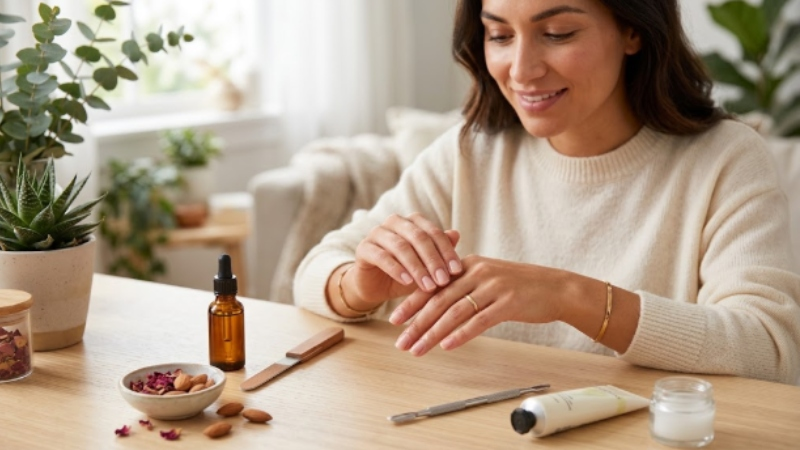
Strong nails are nice to have, but keeping them that way is not always easy. Frequent manicures, polish removal, household chores, and simple everyday wear can leave nails feeling thin or make them more likely to split.
Sometimes the problem is not obvious until a nail breaks while opening a bag or catches on a piece of clothing. At that point, it is easy to start looking for a quick fix. In reality, nail care usually comes down to a handful of small habits repeated over time.
If your nails are feeling fragile, here are some practical ways to take better care of them without giving up the manicures and nail styles you enjoy.
Keep Your Nails at a Practical Length
Long nails can look elegant, but they also have a greater chance of catching on things during the day. If your nails are already weak, keeping them a little shorter can reduce some of that stress. The shape matters too. Rounded or softly squared nails tend to have fewer sharp corners to catch on clothes and other surfaces.
There is no perfect length for everyone. Someone who spends most of the day typing may prefer a different length from someone who rarely uses a keyboard. Choose a shape that works with your routine instead of forcing your nails into a style that is difficult to maintain.
File Breaks Instead of Picking at Them
A tiny split can be annoying. It catches on your sweater, feels rough against your skin, and makes you want to pull it off. Try not to.
Pulling at a split nail can make the damage worse. A small nail file is a much safer option. Gently smooth the rough edge and shorten the nail if necessary. It is also useful to keep a small file in your handbag or at your desk. Dealing with a rough edge early is easier than waiting until it turns into a broken nail.
Give Your Nails a Break From Polish
Wearing nail polish does not automatically mean your nails will become weak. The removal process, however, can be hard on nails when it is repeated frequently or done roughly. Peeling polish off with your fingers is particularly tempting when it starts to chip. Unfortunately, doing so can take away some of the nail surface along with the polish.
If you wear gel or other long-lasting manicures regularly, follow the proper removal method rather than scraping or peeling the product away. A short break between manicures can also give you a chance to see what your natural nails actually look and feel like.
Keep the Skin Around Your Nails Moisturized
Dry cuticles can make your hands look rough even when your manicure is fresh. They can also become uncomfortable and more likely to crack. You do not need a complicated routine here. A hand cream used after washing your hands can help, and a small amount of cuticle oil before bed is an easy addition.
Massage the oil gently around the nail and cuticle area. Doing it at night means you do not have to worry about touching everything immediately afterward. If the skin around your nails is already irritated or broken, be gentle. Avoid picking at loose skin.
Consider a Nail Strengthening Treatment
Some people naturally have softer nails, while others notice more weakness after frequent polish, extensions, or gel manicures. A nail strengthening treatment can be useful when nails are prone to splitting or breaking. One product designed for this purpose is Mavala Scientifique K+ Nail Hardener Serum, which is made for fragile nails.
As with any nail product, follow the instructions on the packaging. Applying more product than recommended will not necessarily produce faster results. A strengthening treatment is also not a replacement for basic care. Filing gently, protecting your hands, and avoiding unnecessary pressure on the nails still matter.
Wear Gloves for Household Chores
Cleaning products and repeated contact with water can leave hands and nails feeling dry. You may notice it most after washing dishes or spending a long time cleaning. A pair of household gloves can make a simple difference. They reduce direct contact with water and cleaning products while allowing you to get on with the job.
The same idea applies to gardening and other hands-on activities. Your nails are not tools, even if they happen to be convenient for opening, scraping, or picking at things. Use the proper tool whenever you can.
Be Gentle When Removing Products
Nail polish remover has a place in a manicure routine, but the way you use it matters. Avoid rubbing the nails aggressively for a long time. If a product is difficult to remove, give the remover a little time to work rather than immediately scrubbing harder.
Gel polish needs even more care. Peeling it off can take layers of the natural nail with it, leaving the surface rough and thin. If you regularly have gel manicures, ask your nail technician about proper removal and pay attention to how your nails feel afterward.
Do Not Ignore Your Cuticles
Cuticles are not just something to remove before applying polish. They form part of the protective area around the nail. There is no need to cut them aggressively to achieve a neat manicure. Keeping them soft and tidy is often enough.
If you get professional manicures, let your nail technician know if the area is sensitive. A little extra care can prevent unnecessary irritation. Small details like this can also make a simple manicure look much cleaner.
Choose Nail Products From a Reliable Source
It is easy to order beauty products online, but not every listing gives you enough information to make a confident choice. Before buying a nail treatment, check the product name, ingredients, size, instructions, and seller information. Be especially careful with unusually cheap products from unfamiliar sources.
For people shopping for international beauty products in the UAE, retailers such as Yesora Beauty provide another option for finding beauty and nail-care products from established brands. Taking a few minutes to check the source is worthwhile, particularly when you are buying a treatment that will be used directly on your nails.
Pay Attention to Changes in Your Nails
Most nail problems are minor, but noticeable or persistent changes should not always be treated as a cosmetic issue. If your nails suddenly change color, become painful, swell around the edges, or develop changes that do not go away, it is better to speak with a healthcare professional.
Cosmetic nail treatments are designed for nail care and appearance. They are not a substitute for medical advice when something unusual is happening.
Give Your Nails Time
There is no need to completely abandon nail polish or your favorite manicure style because your nails are feeling weak.
Start with the basics. Keep them at a manageable length, file them gently, moisturize the surrounding skin, and avoid peeling products away. Protect your hands during chores and give your nails a break when they seem to need one.
Most of these habits take only a few minutes. The difference comes from doing them regularly rather than looking for one product that promises to fix everything overnight. Healthy-looking nails do not have to be complicated. A little patience and some careful handling can go a long way.
Final Words
Weak nails usually do not improve overnight. Small changes in your routine can help, especially if you stop habits that leave your nails dry, thin, or prone to breaking. Keep them at a manageable length, moisturize the surrounding skin, handle polish and removers gently, and give your nails a break when they need one.
With a little patience and regular care, your nails can look healthier and feel stronger without making your routine complicated.
Disclaimer: This article is for general informational purposes only and is not a substitute for professional medical advice, diagnosis, or treatment. If you have persistent, painful, or unusual nail changes, consult a qualified healthcare professional.

Erin Durkheim is an author and content contributor at Gingerbread Nails, covering nail designs, nail care, beauty tips, fashion, and product-related topics. She focuses on creating practical, easy-to-understand content that helps readers explore nail trends, care routines, and everyday beauty ideas.