
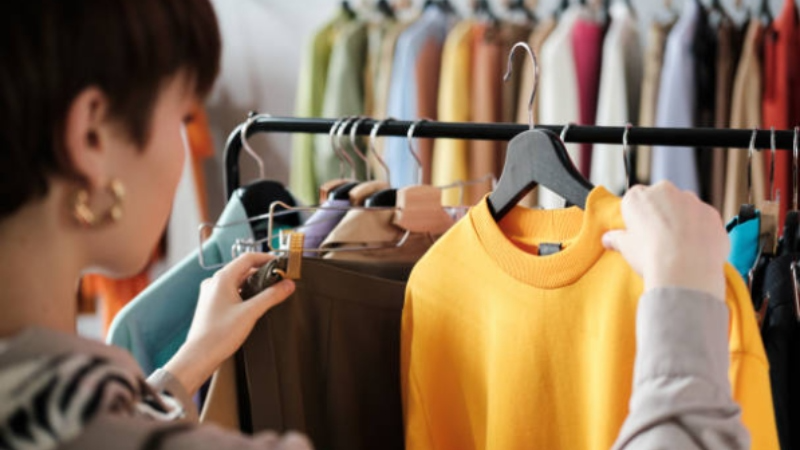
Quiet luxury is the look of clothes that cost a lot and say nothing about it. There’s no logo on the sweater and no monogram on the bag. You’d only guess the price if you touched the fabric or noticed the cut.
The trend took off in 2023, when the final season of HBO’s Succession and Gwyneth Paltrow’s ski-trial wardrobe had everyone talking about beige cashmere and plain baseball caps. Loro Piana, Brunello Cucinelli, The Row and Max Mara became shorthand for the style, and a single Loro Piana cashmere sweater often costs well over $1,000. Most of what makes the look work can be copied for much less, because it comes down to color, fabric, fit and care.
What the look is made of
Start with color. Quiet luxury sticks to a narrow palette: cream, oatmeal, camel, chocolate brown, grey, navy and black, with the occasional soft blue or olive. When everything sits in the same few shades, almost every piece goes with every other piece, so a small wardrobe produces a lot of outfits.
Fabric does most of the work. Wool, cashmere, silk, linen and heavy cotton drape well and age well, and they look expensive even in photos. Thin polyester knits and shiny synthetics are usually what gives a cheap outfit away.
Fit matters just as much. Trousers that break once on the shoe, sleeves that end at the wrist and a coat that closes without pulling across the back look more expensive than any brand name. The style leans toward relaxed shapes, but relaxed clothes still need to fit at the shoulders and waist.
Decide where the money goes
A budget version works best when you spend on the pieces you wear most and save on the rest. For most people that means a coat, one or two good knits, trousers and a pair of plain leather shoes. A $40 white T-shirt you wear twice a week is a better buy than a $40 trend top you’ll wear once.
Cost per wear is a useful test. Divide the price by the number of times you expect to wear something. A wool coat worn all winter usually comes out far cheaper per wear than a party dress, even when the coat costs three times as much.
Five ways to get the look for less
Buy secondhand
Resale apps and consignment stores are full of wool coats and cashmere from brands that never put a logo on anything. Search by fabric (“100% cashmere” or “merino wool” works better than a brand name) and check the photos for pilling under the arms and at the cuffs before you buy.
Read the label on high-street basics
High-street stores sell plenty of plain pieces in neutral colors, and the composition label tells you which ones are worth buying. A sweater that’s mostly wool or cotton will hold its shape. One that’s mostly acrylic or polyester will often pill and stretch within a season. Feel the weight too, since heavier knits and thicker cotton look more expensive.
Pay for tailoring
A tailor can hem trousers, take in a waist or shorten sleeves for a fraction of the price of a new garment. It works on everything from a $30 pair of trousers to a thrifted blazer, and it’s one of the cheapest ways to make clothes look expensive.
Consider replicas
Some people go further and buy rep clothing modeled on the brands that defined the trend, like Loro Piana-style knits or the long camel coats Max Mara is known for. Specialist stores usually sort their catalogs by designer and garment type, so you can compare several versions of the same coat or sweater before choosing one.
Quality varies a lot, so treat the seller’s description as a claim. Ask for the fabric composition and the garment measurements, and compare them with the original. Look for real photos of the item in daylight, since stock images only show you the original. Trademark and import rules also differ by country, and in some places customs can seize copies of branded goods, so check the rules where you live before ordering.
Look after what you own
Worn-out clothes look cheap whatever they cost, which makes care a big part of this style. A fabric shaver clears pilling from a sweater in a few minutes. A steamer takes creases out of trousers and silk without the shine an iron can leave. Fold knitwear instead of hanging it, store wool with cedar to keep moths away, and polish leather shoes before the scuffs build up.
The details that finish it
Accessories stay plain. Small gold studs or a thin chain is usually enough jewelry, and the bag is plain leather in black, tan or brown with little visible hardware. Hair looks healthy and simple, often just a blowout or a low ponytail.
Nails follow the same idea. Short to medium length, a soft almond or squoval shape, and sheer nude, milky pink or pale beige polish look polished without drawing attention. A glossy top coat and tidy cuticles count for more than the exact shade. For shade ideas, see our guide to quiet luxury nails.
A starter capsule
If you’re building the look from scratch, these pieces cover most days:
- A camel or navy wool coat
- A crew-neck sweater in cream or grey
- A fine-knit turtleneck in black or brown
- Two white or cream T-shirts in heavy cotton
- Straight or wide-leg trousers in grey or navy wool
- Dark straight-leg jeans with no rips or fading
- A silk or satin blouse
- Leather loafers or ballet flats
- A plain leather tote or shoulder bag
Everything on the list goes with everything else, and most of it can be found secondhand or on the high street. If you’re splitting a budget, put more of it toward the coat and the knitwear, since those are the pieces people notice first.

Erin Durkheim is an author and content contributor at Gingerbread Nails, covering nail designs, nail care, beauty tips, fashion, and product-related topics. She focuses on creating practical, easy-to-understand content that helps readers explore nail trends, care routines, and everyday beauty ideas.