

Bed bugs can be difficult to eliminate, as the absence of bugs does not always mean the infestation is gone. These pests hide in small spaces, and the problem persists even when you think that you have gotten it handled. This can cause a loss of sleep, frequent frustration, and confusion for the homeowner about whether or not the treatment is effective.
Modern bed bug control is based on the method of addressing the root cause of the issue and not just the visible symptoms. The objective is to control the hidden pest, reduce their numbers, and get long-term results.
To see exactly how this approach works, let’s take a look at the professional strategies for bed bug identification, treatment, and long-term control.
1. Professional Bed Bug Inspections to Identify Infestations Accurately

The first step in effective treatment is finding out exactly where bed bugs are hiding. Professional bed bug control near you can detect a bed bug infestation with a thorough examination of the mattress seams, bed frames, headboards, sofas, and cracks around furniture. Experts search for the presence of live bugs, eggs, shed skins, and dark spots indicating bug activity.
Unlike a quick visual check, a professional inspection includes more than just the most obvious areas for bed bugs to hide. It can be used to decide if only one sleeping area is infested or if it has spread to other furniture or rooms. This allows the professional to better understand the issue.
These findings can help rule out the guesswork in the treatment plan and target affected areas. Also, by being precise in the inspection, professionals can determine which methods are most appropriate to the infestation.
2. Targeted Liquid and Aerosol Treatments for Bed Bug Control
Liquid spot treatments and aerosol applications are widely used to treat bed bugs in suitable areas. Depending on the product and site, professionals may apply them to cracks, bed frames, furniture joints, and other approved places where pests hide. The aim is to reach bed bugs in their hiding spots while avoiding unnecessary treatment of unrelated areas.
These methods serve different purposes depending on the product and where it can be applied. Liquid products may leave a treated layer on approved surfaces, while aerosols can help reach certain narrow or difficult spaces. Professionals select and apply products according to label directions, site conditions, and safety requirements.
However, no single application is guaranteed to remove every bed bug. Hidden pests or newly hatched bugs may remain, which is why targeted treatment is often supported by later inspections and additional treatment when needed.
3. Professional Fumigation for Suitable Bed Bug Infestations

Fumigation may be considered for certain large or complex infestations when the site and treatment conditions make it appropriate. Unlike a spot application, fumigation uses a controlled treatment process designed to reach pests in areas that may be difficult to treat individually. Its suitability depends on the structure, the items involved, and the method available.
This process requires specialist knowledge, careful preparation, and strict safety controls. The treatment area may need to be cleared, secured, and kept off-limits during the process. Only trained professionals can determine whether fumigation is suitable and manage the required precautions.
Fumigation is not necessary for every bed bug problem, and it is not interchangeable with ordinary liquid or aerosol treatment. A professional assessment helps determine whether this approach is justified or whether a more targeted method is better suited to the infestation.
4. Mattress Encasements and Interceptors for Added Bed Bug Protection
Mattress encasements and bed bug interceptors are useful supporting tools within a wider control plan. A purpose-made encasement fully covers a mattress, helping contain bed bugs already inside and reducing the seams and folds where pests can hide. It also creates a smoother surface that is easier to inspect during later checks.
Interceptors are placed beneath bed legs to trap bed bugs moving between the floor and the bed. They can help professionals monitor pest activity and assess whether bugs are still present after treatment. Their monitoring role makes them useful alongside other control methods.
However, neither tool should be treated as a complete solution for an active infestation. Bed bugs may hide in nearby furniture, walls, or other parts of the room. Professionals use these tools as part of a broader plan rather than as a replacement for suitable treatment.
5. Follow-Up Treatments and Prevention to Help Stop Bed Bugs from Returning
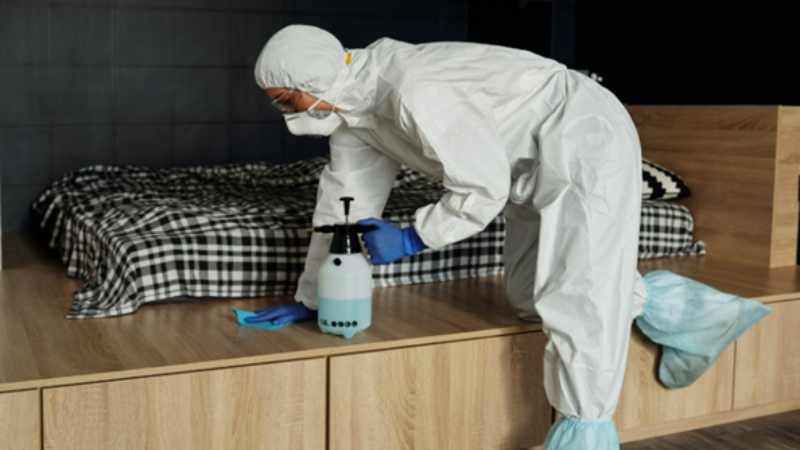
Follow-up inspections and treatments are important because bed bug control may require more than one visit. Some pests can remain hidden during the first treatment, while eggs may hatch later, depending on the products and methods used. A later inspection helps determine whether the infestation has been controlled or further action is needed.
During follow-up visits, professionals check previously affected areas for fresh signs of activity and review how the infestation has changed. If bed bugs remain, the treatment plan may be adjusted to address missed hiding places or new activity. The timing and type of follow-up depend on the treatment method and inspection findings.
Prevention also supports long-term control by reducing the chance of another infestation taking hold. Monitoring, suitable protective tools, and early attention to new signs can help identify problems before they spread widely.
Conclusion
Modern bed bug control relies on choosing the right method for the conditions, rather than using the same treatment for every infestation. Inspection identifies the problem, targeted applications address hiding places, and other methods provide added support when suitable. Follow-up checks help show whether the treatment has worked.
Because bed bugs can hide in many parts of a room, professional control is often a planned process rather than a single application. Using methods that fit the infestation helps improve treatment coverage, manage safety risks, and support more lasting results.

Erin Durkheim is an author and content contributor at Gingerbread Nails, covering nail designs, nail care, beauty tips, fashion, and product-related topics. She focuses on creating practical, easy-to-understand content that helps readers explore nail trends, care routines, and everyday beauty ideas.