
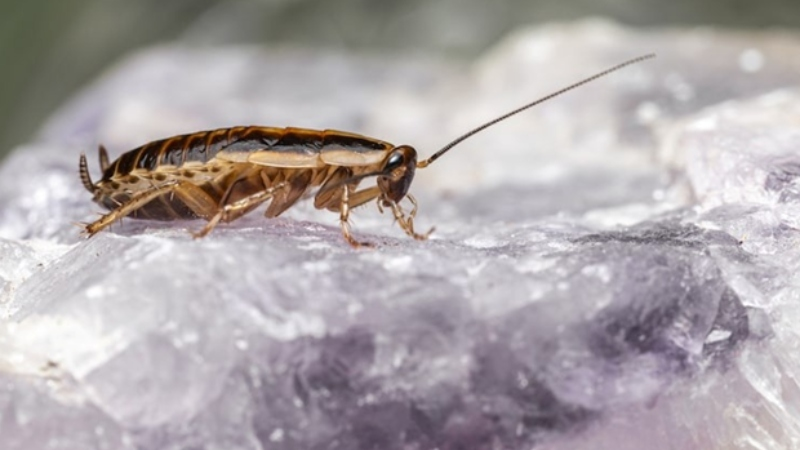
Spotting pests in your house can be unsettling. Even worse, the ones you see may be just a small part of the problem. Many household pests, including termites, carpenter ants, roaches, and mice, hide in places you rarely check. So, by the time you notice them, a larger infestation may already be developing in your home.
The right step is to call in professionals for a thorough pest identification. DIY treatments may get rid of the pests you can see, but they often fail to address the source, which gives the pests time to multiply and lead to bigger problems.
Pest control professionals have the experience and tools to do a thorough inspection of signs of pest activity, locate nesting areas, and determine how pests are getting inside. This helps them choose the right treatment to address the infestation at its source.
Wondering how they identify the root cause? Here are six ways technicians track down the source of pest infestation.
1. Asking Questions About Pest Activity
Before inspecting your home, a pest control professional will ask a few questions. During the initial call, they may ask what pests you’ve noticed, where you’ve seen them, and how long the problem has been going on.
Being asked when you’ve seen them might seem like a small detail, but it can help narrow things down. Cockroaches and rodents are often active at night, while ants may appear on kitchen counters during the day. Seeing these pests during the day might be a sign of heavy infestation.
The technician may also ask about recent changes in your home, such as a leak, renovation, or new furniture. These changes can create conditions that attract pests. A leak can leave damp areas where some pests thrive, while a new bag of pet food or a package of dry goods may introduce pantry pests.
These details help professionals identify the problem and decide how to proceed. You also want a team that listens to your concerns, such as PestBear Termite & Pest Protection, for complete pest protection.
2. Identifying the Pest Species
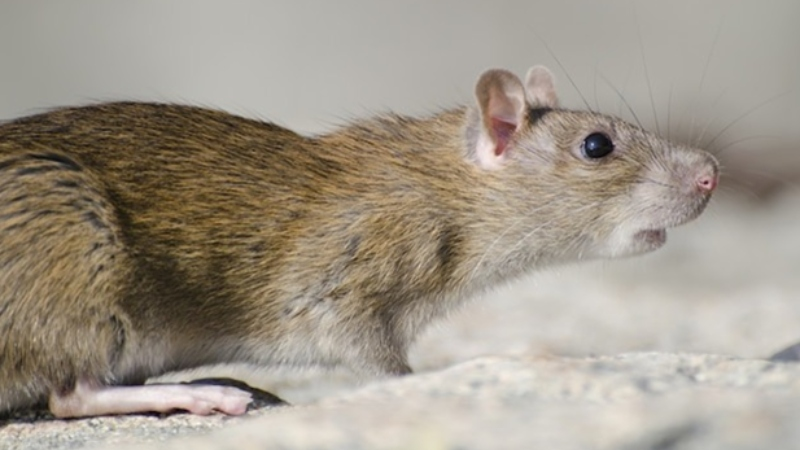
When technicians visit your home, the first thing they do is identify the pest because Everything else depends on knowing exactly what they’re dealing with. Ants, cockroaches, and mice leave different signs and require different treatment methods.
They look at features such as size, color, wings, and body shape to tell pests apart. This helps them choose an effective treatment rather than risk using the wrong one. Once they identify the species, they know where to look. Carpenter ants often nest in damp or damaged wood, German cockroaches tend to hide near food and water, and mice commonly travel along walls.
3. Inspecting the Exterior of the Property
Many infestations begin outdoors, so technicians check the foundation, siding, roofline, and places where pipes and wires enter the house. Gaps, cracks, damaged screens, and worn door seals can give pests a way inside. If pests keep showing up near doors and windows, technicians may look for nearby entry points.
They also check for nests under the eaves, mounds in the lawn, and mud tubes running up the foundation. Landscaping gets attention, too. Mulch piled against the walls, branches touching the roof, and wet soil near the house can attract pests or give them easier access to the house.
4. Searching for Pests Inside the Home
Indoors, technicians check places you rarely look, such as under sinks, behind appliances, in attics, and in crawl spaces. They pay close attention to warm, dark, or damp areas where pests may hide. Pest activity deep inside the house can indicate a nest or a nearby food source.
They’re also looking for signs pests leave behind, including droppings, shed skins, chewed materials, and greasy marks along walls. These clues help technicians work out which pests are present, the extent of the infestation, and where they tend to move.
5. Using Specialized Inspection Tools
A flashlight and a trained eye can reveal a lot, but some pests hide inside walls or beneath floors. When technicians suspect termites in wooden structures, they may tap or probe the wood to check for hollow sounds or soft spots.
For harder-to-reach areas, they may use tools such as moisture meters or thermal cameras. Moisture meters help detect damp areas, while thermal cameras reveal temperature differences that may indicate areas worth investigating further.
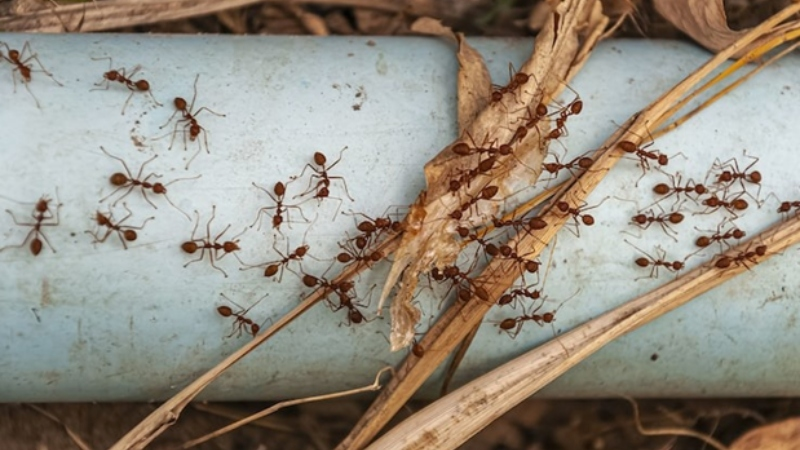
Some pests can be tracked without special equipment. For pests like ants, a technician may follow their trail to find where they’re coming from and locate the nest.
6. Recommending Treatment and Follow-Up Measures
After the inspection, the technician reviews the evidence. Droppings in the pantry, a gap under the door, or a leaky pipe can help explain why pests are getting inside.
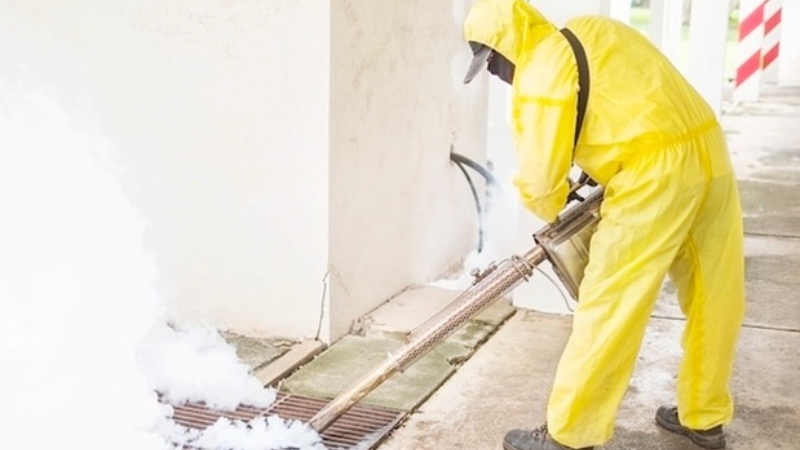
They’ll explain to you what they found and recommend a treatment based on the conditions around your home. Sometimes, in addition to applying eco-friendly chemical treatments safe for your pets and kids, they may destroy nests, seal entry points, fix a leak, or remove a food source.
For some pests, technicians may also place traps or monitors along walls and near suspected entry points. Then they give you advice on best practices to keep pests from returning.
Most professionals offer a free follow-up visit to check whether the treatment worked. If traps continue to catch pests or fresh signs appear, the technician may reapply the treatment for free or adjust it.
Conclusion
Finding the source of an infestation takes careful investigation. A technician listens to your observations, identifies the pest, checks both the inside and outside of your home, and uses advanced tools to examine hidden areas. Each step helps narrow down where the pests are coming from and what’s attracting them.
Once they understand the type of pest and the extent of the infestation, they recommend a suitable treatment. They apply a custom treatment because an effective method depends on the pest’s behavior, where it’s nesting, and the conditions around your home.
If you suspect a pest problem, book an inspection before it gets worse. Early treatment can help prevent the infestation from spreading and make it easier to bring the problem under control.

Erin Durkheim is an author and content contributor at Gingerbread Nails, covering nail designs, nail care, beauty tips, fashion, and product-related topics. She focuses on creating practical, easy-to-understand content that helps readers explore nail trends, care routines, and everyday beauty ideas.