
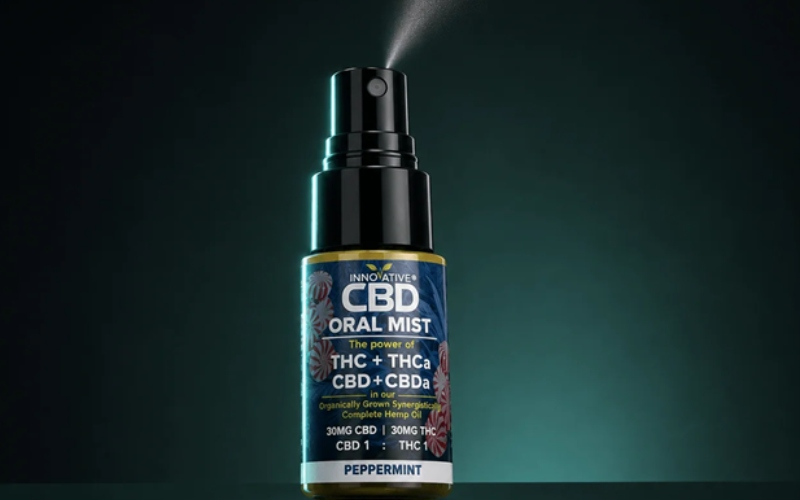
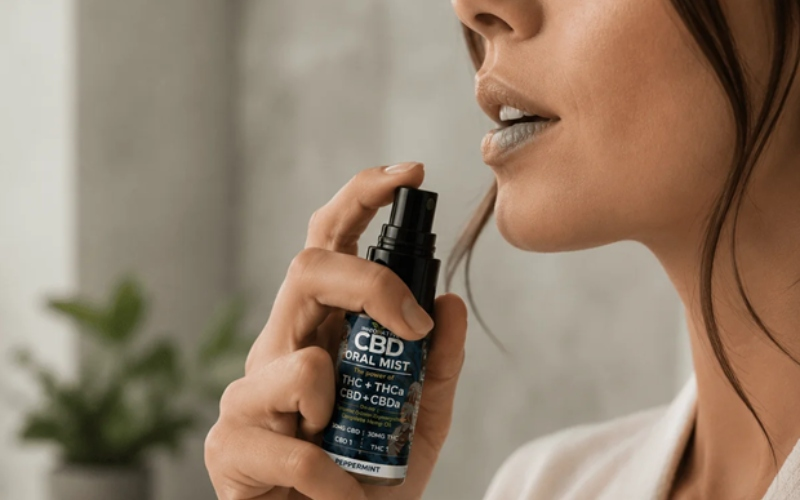
THC sprays are becoming a popular option for adults who prefer cannabis products that do not require smoking or vaping. These sprays are designed to release a specific amount of tetrahydrocannabinol (THC), usually as a liquid absorbed into the mouth. However, not all products are the same in quality, consistency, or reliability.
Different quality factors will influence the quality of the THC spray and its consistency in performance. The cannabis extract, ingredients, THC concentration, production process, storage conditions, etc., can impact the final product. Even the packaging and spray mechanism can affect the amount delivered per application.
Knowing these differences can help a consumer judge product quality before buying. This guide covers six points that influence THC sprays and what to consider when comparing various available options.
1. Quality and Source of the Cannabis Extract
One of the most significant factors in cannabis extract quality is what it is made from. The cannabis plant naturally produces cannabinoids, terpenes, and more. The type of material extracted and its purity affect the final product’s characteristics.
A quality THC spray needs to have cannabis extract that has been tested for identity, potency, and contaminants. Additionally, manufacturers should be able to disclose details of the cannabis and the extraction processes.
Cultivation practices can affect the raw material. For instance, unwanted chemicals such as pesticides, heavy metals, or microbial contamination may be added to the cannabis. Testing helps identify these concerns before the extract enters manufacturing.
The extraction technique is also important. The extracts may have different chemical profiles and traces depending on the technique used. However it is done, the manufacturer must ensure the extract meets appropriate quality requirements.
2. Accuracy of THC Concentration
THC concentration determines how much of the active compound is present in a spray. Products may contain different amounts of THC per milliliter or per spray, making accurate labeling essential.
A quality product will prominently display the THC percentage and deliver a uniform amount with each application. Significant differences between the labeled and actual concentration can make dosing unpredictable.
Most manufacturers determine cannabinoid levels through laboratory testing. These tests confirm the presence of the stated amount of THC in the product.
Consumers should look for products with easy-to-access certificates of analysis from well-qualified independent laboratories. These documents can confirm cannabinoid concentrations and highlight discrepancies between the label and test results.
It is particularly significant to pay attention to concentration since THC can affect coordination, judgment, and reaction time.
3. Quality of Additional Ingredients
Cannabis extract is not the only ingredient in THC sprays. Some products include carrier oils, alcohol, flavoring agents, or other ingredients to disperse the cannabinoids in the liquid. The quality and compatibility of these ingredients can influence the spray’s stability, taste, and consistency.
For instance, an appropriate carrier may provide a uniform formulation, and a proper flavoring agent may improve the experience of applying the spray inside the mouth. Ingredients should, however, suit their intended purpose.
Just because a substance is safe for topical use does not mean it is safe for ingestion. If a consumer has allergies or sensitivities, they should check the full ingredient list. Clearly labeled ingredients help identify potentially unsuitable ingredients.
4. Manufacturing Standards and Quality Control
Even high-quality cannabis extract can produce an inconsistent spray when manufacturing procedures are poorly controlled. Reliable production requires careful ingredient measurement, proper equipment, sanitation, and the correct mixing process. Manufacturers must also ensure no contamination during manufacturing, filling, and packaging.
Quality control involves checking the product at various points during production. These tests can confirm the correct ingredient amounts, liquid uniformity, and proper spray performance. Companies that follow appropriate Good Manufacturing Practice (GMP) guidelines are more likely to maintain a consistent manufacturing process.
Another useful quality indicator is batch records. They enable manufacturers to trace ingredients and production information if an issue arises after distribution. These practices may not be directly observable to consumers, but transparent manufacturers may inform consumers about their testing and production processes.
5. Spray Mechanism and Dose Consistency
The mechanism of the spray is also a key factor in the consistency of product delivery of THC. The pump should give a fairly equal amount of liquid every time it is used. Poorly designed equipment can release different amounts, leak, clog, or fail to disperse the formulation evenly.
Liquid consistency is also important. If ingredients separate during storage, individual sprays may not contain the expected THC concentration. Manufacturers should test the pump and formulation together to ensure the product functions properly throughout its lifespan.
Consumers can also check the packaging instructions for information on priming the pump, correct usage, and maintenance. These details can help differentiate a well-designed product from one that is not.
6. Packaging and Storage Conditions
Unsuitable environmental conditions can cause degradation of product quality for THC sprays. Heat, light, oxygen, and water can affect cannabinoids and other ingredients. These conditions may cause chemical changes over time, altering the product’s composition.
Protective packaging reduces unnecessary exposure. Depending on the formulation, manufacturers may use opaque containers, tightly sealed bottles, and other packaging that helps maintain stability. Storage instructions are also critical!
The temperature and handling directions listed on the label should be adhered to by the consumer and not assumed to be identical for all sprays. In addition, expiration dates should be backed up by proper stability testing. Even when stored properly, a product can change over time; therefore, it is important to check the expiration date.
Final Thoughts
The quality of THC sprays is linked to several interrelated factors, such as the quality of the cannabis extract, the accuracy of their concentration, the ingredients added to the spray, the production techniques involved, and their delivery system. Packaging and storage conditions also affect the formulation’s ability to retain its intended properties.
Consumers should choose products that are clearly labeled, laboratory-certified, consistently dosed, and manufactured transparently. When contemplating these factors, they can make well-informed decisions and also be aware of the potential health and impairment risks from using THC products.

Erin Durkheim is an author and content contributor at Gingerbread Nails, covering nail designs, nail care, beauty tips, fashion, and product-related topics. She focuses on creating practical, easy-to-understand content that helps readers explore nail trends, care routines, and everyday beauty ideas.