

Power outlets rarely sit where a project actually needs them. Power tools, compressors and lights frequently find themselves well beyond the reach of the closest electrical outlet, either on a construction project or in the backyard. Any typical extension cord stretches at that length and heats quickly when a power tool draws serious current through it.
That stress results in tripped breakers, poor power supply, and in some cases, a cord that breaks in the middle of the job.
That issue is eliminated with a heavy duty extension cord. It is constructed to transmit more electricity across long distances without becoming overheated, and hence the tools operate as intended.
This is what makes this piece of equipment an item worth having on every job. The five reasons below explain why.
1. Handle High-Power Tools Without Tripping Breakers or Overheating
Power tools such as saws, compressors and welders consume much more current compared to lamps or small appliances. An ordinary cord is not constructed to take such a pull.
When it is loaded heavily, it heats up, drops its voltage, and ultimately causes a breaker to trip. A heavy duty extension cord is designed with a heavier gauge wire that supports increased amperage without overloading.
This is the most important thing when a tool is not going to run within minutes, but hours. Thicker copper conductors can carry more current safely, maintaining power output constant, rather than varying. This leads to full utilization of the tools, and the likelihood of a mid-task shutdown is reduced.
This is determined by a wire gauge. A lower gauge number means thicker wire, and thicker wire carries more amperage with less resistance.
2. Built to Withstand Rain, Dust, and Rough Handling on the Job Site

Workplace cords are subject to environments that a home cord is not supposed to be designed for. Pulling through gravel, riding over them or sitting in the rain can cause a thin cord to deteriorate.
Winding one into a tight coil at the end of a shift puts even greater strain on it. A heavy duty extension cord is made with reinforced jacket materials, such as SJTW or SOOW, which can resist this type of daily wear.
These jackets are abrasion– and moisture-resistant as well as resistant to temperature shifts. A rope that is used in mud works in a similar manner as it would in direct sunlight.
UV rays and chemical effects also degrade weaker rope over time. A heavy duty extension cord keeps its insulation intact, even after months of outdoor use.
3. Reduce the Risk of Shocks, Fires, and Voltage Drop
The quality of the cord is critical in electrical safety, particularly during severe loads. A thin or inadequately insulated cord can easily overheat, and overheating is another frequent cause of job site fires. A heavy duty extension cord is designed to support heavier loads, so that risk is contained in the first place.
Another problem associated with the quality of cords is voltage drop. Whenever electricity passes through any cord, it loses some power as heat, and longer runs lose more power. Heavy duty extension cords reduce that loss due to thicker wiring, meaning that tools get closer to their full rated voltage. It implies smoother motor operation and minimal internal tension over time.
Certifications provide extra confidence. UL and cUL ratings ensure that a heavy duty extension cord has been checked in reference to safe amperage and good insulation, providing buyers with a clear standard to refer to when buying.
4. Adapt to Almost Any Tool, Machine, or Power Source
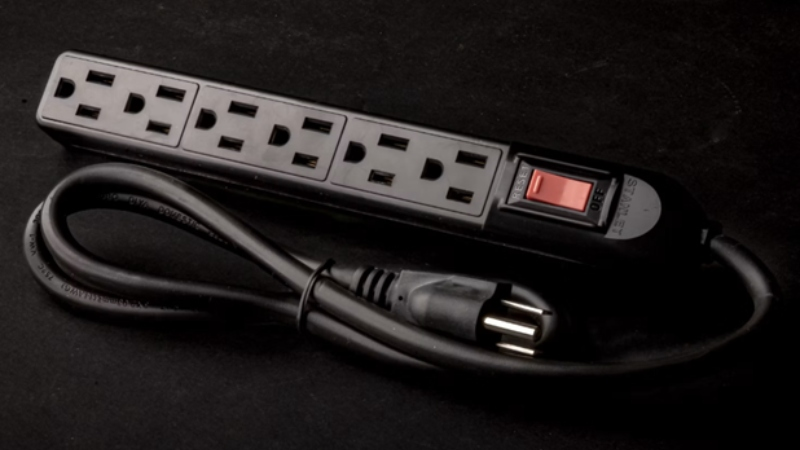
Different jobs call for different power setups. One project might involve a table saw, while the next needs a welder, compressor, or outdoor lighting rig. A heavy duty extension cord comes in multiple plug configurations, so it adapts to whatever equipment the job requires without forcing an adapter into place.
NEMA connector types make this flexibility possible. Configurations such as 5-20P, L6-20P, or 14-30P match specific voltage and amperage needs, connecting the right tool to the right power source directly. Locking connectors add extra security, keeping plugs seated firmly during vibration-heavy work like welding or operating rotary equipment.
This versatility isn’t limited to standard plugs either. Longer runs, stripped ends, or terminal connections allow a heavy duty extension cord to wire directly into equipment that doesn’t use a conventional outlet.
5. Save Time and Money by Preventing Downtime and Replacements
A cord failure mid-project stops work immediately. Someone has to track down a replacement, and that delay pushes back the entire schedule. On a paid job, every hour lost translates into real cost.
A heavy duty extension cord reduces how often that scenario happens. Reinforced insulation and thicker jackets resist the wear that causes premature failure, so the cord lasts through repeated use across multiple projects instead of one. Over time, that durability adds up to fewer interruptions and less money spent on replacements.
Proper storage stretches that lifespan even further. Avoiding tight coils, keeping the cord dry, and checking it periodically for damage all help a heavy duty extension cord perform reliably for years rather than months.
Conclusion
A heavy duty extension cord does more than bridge the gap to an outlet. It carries higher current safely, survives rough outdoor conditions, and connects to nearly any tool or machine without complications. Skipping this detail often leads to slowdowns, safety concerns, or costly replacements later.
Paying attention to gauge, jacket type, and connector style before starting a project makes the difference between steady progress and constant setbacks. Whether the task involves power tools, outdoor equipment, or specialized machinery, keeping a heavy duty extension cord on hand keeps work moving without unnecessary interruptions.

Erin Durkheim is an author and content contributor at Gingerbread Nails, covering nail designs, nail care, beauty tips, fashion, and product-related topics. She focuses on creating practical, easy-to-understand content that helps readers explore nail trends, care routines, and everyday beauty ideas.