
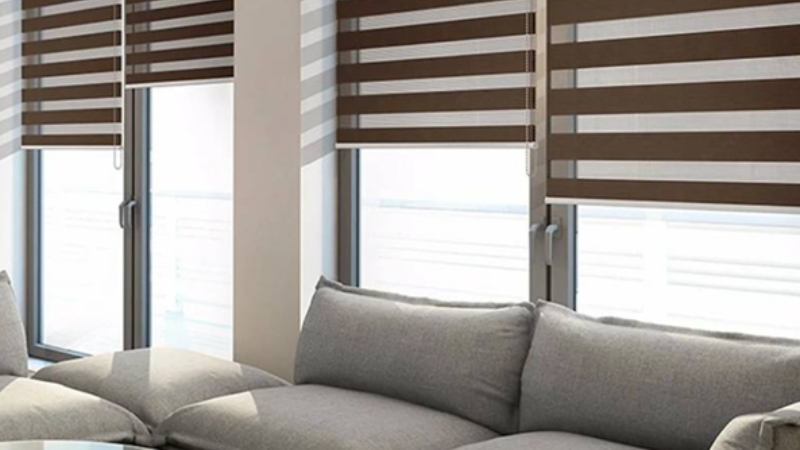
Have you ever opened your blinds to enjoy sunshine, only to realize that people outside can see straight into your living room?
Perhaps you close them again for privacy, but your space suddenly feels dark and unwelcoming. Direct sunlight can also create glare on screens and make certain rooms uncomfortably bright.
Layered window treatments offer a practical way to manage these needs. Their combination of sheer and opaque fabric sections gives you greater control over incoming light and outside visibility. Instead of choosing between an uncovered window and complete privacy, you can adjust the fabric to suit changing conditions.
Let’s explore how layered window treatments create comfortable and private interiors.
1. Sheer And Opaque Layers for Better Light Control
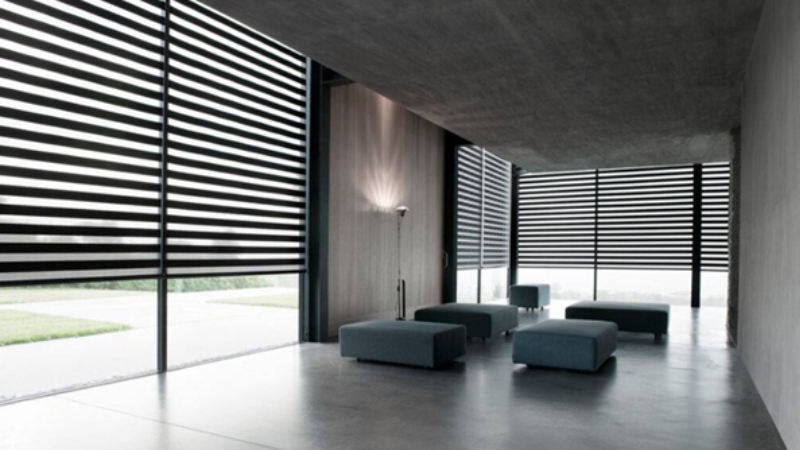
Strong sunlight can create excessive brightness and glare. However, keeping your blinds closed can leave interiors darker than you would like.
The sheer bands allow softened daylight into your room, while solid bands provide greater coverage and reduce incoming light. Since both sections form one blind, you can adjust their alignment according to your preferences. Your living room might benefit from filtered daylight, while a street-facing window may require greater coverage.
This arrangement means you don’t have to raise the entire blind whenever you want to change the lighting. Simply adjust the fabric layers to create a comfortable balance.
Nevertheless, to achieve the right combination of daylight and privacy, consider buying quality layered window treatments from a reputed local seller. For instance, if you live in Cape Town, you can explore options with Zebra Blinds Cape Town – Cocoon Living that meet your needs.
2. Filtered Sunlight Without a Dark Interior
Bright sunlight can interfere with everyday activities. It can be bounced off your television, make it hard to read the screens of your laptops, or even cause discomfort by making the areas around the windows too bright.
Nevertheless, putting heavy curtains on can take away the natural light that makes your room welcoming.
In such cases, the layered window coverings diffuse the rays of the sun, but do not prevent all the rays.
When you work at home, you can set zebra blinds to minimize glare on the screen and still allow natural light to illuminate your work area. In the same way, bare areas in a living room can diffuse sunlight and provide a nice ambience without making it look like a closed space.
Before you select your fabric, think about what your rooms will look like at various times of the day. A window receiving direct afternoon sunlight may need more coverage than one exposed to gentle morning light. Knowing these differences will keep the brightness comfortable all over your home.
3. Greater Privacy Without Losing Natural Daylight
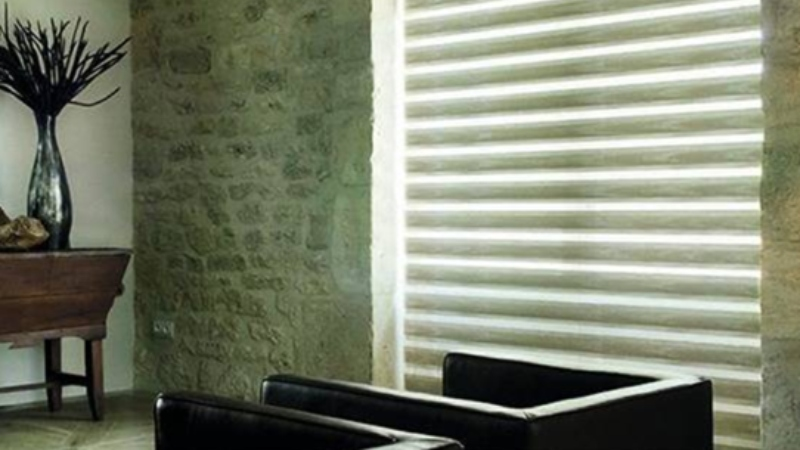
Are your windows over a busy sidewalk or neighboring houses? Leaving your blinds open may make you feel exposed, particularly in ground-floor rooms. But by keeping them closed, you do not allow daylight to enter your interiors.
Layered window treatments provide a more flexible option by providing adjustable opaque layers.
When solid bands intersect sheer areas, they contribute to minimizing direct visibility into your home. This is a good setup in a living room, dining room, and bedroom where you desire to be naturally bright but not feel exposed. The fabric can be changed according to your privacy needs.
It is important to remember that not all lighting conditions ensure the highest degree of privacy for translucent fabric. Silhouettes can be more visible from the outside with interior lights at night.
4. Adjustable Fabric Alignment for Light and Privacy
Another useful aspect of zebra blinds is their adjustable fabric alignment. Unlike traditional blinds, which move primarily up or down, these designs allow you to adjust how the sheer and opaque bands intersect while the blind is still in the down position.
As a result, you will be able to control light and visibility without opening or closing the covering several times.
Consider your morning routine. You might prefer natural light while preparing breakfast, but as the sun becomes stronger, you may want to reduce glare. Afterward, when you are more relaxed, tighten the fabric once more. These minor adjustments allow you to react to various activities and the amount of sunlight.
The operating mechanism also deserves attention. Depending on the design, you may use a manual chain or motorized controls where available. Before deciding, think of the size of your window and its accessibility.
5. Custom Layered Window Treatments for Different Room Needs
Every room has different lighting and privacy requirements. You may need more coverage in your bedroom to rest and more open daylight in your living room. A home office may require glare control, whereas a street-facing dining area may need more privacy. Consider how you use each space before selecting a design.
Start by examining your windows’ direction, sunlight exposure, and surroundings. A window to the side of neighboring properties might need a more opaque cover than one to a personal garden. Also consider your furniture and wall colors to ensure the fabric complements your decor.
Accurate measurements and suitable fabric selection matter equally. A well-fitted blind is presentable and facilitates an easy working process. Compare colors, fabrics, and control mechanisms in order to make a choice.
Conclusion
Balancing natural light and privacy doesn’t mean constantly adjusting curtains or leaving rooms unnecessarily dark. Layered window dressing is flexible with the use of sheer and opaque parts that adjust to sunlight and visibility requirements. Consider each room’s purpose and window position to create a comfortable indoor environment.
In the end, the right window covering must make your life easier without compromising your interiors. Thoughtful choice of fabrics and adaptable designs provide you with an opportunity to enjoy natural daylight, have privacy, and make your living areas look clean and elegant.

Erin Durkheim is an author and content contributor at Gingerbread Nails, covering nail designs, nail care, beauty tips, fashion, and product-related topics. She focuses on creating practical, easy-to-understand content that helps readers explore nail trends, care routines, and everyday beauty ideas.