
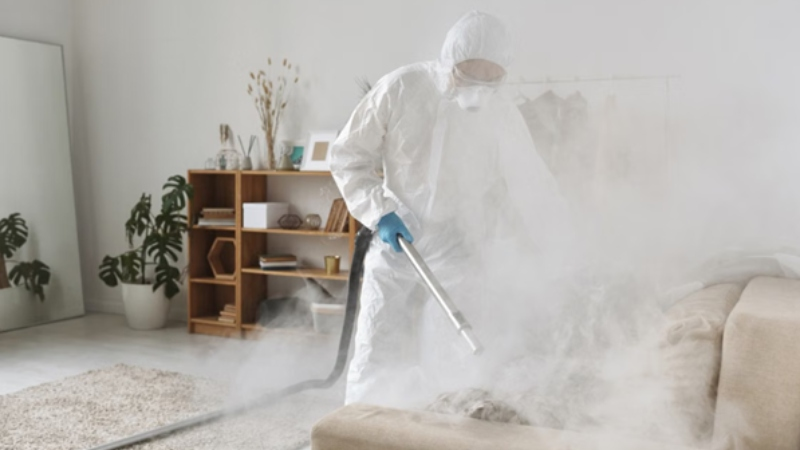
You see a few ants crawling over the kitchen counter. It’s nothing serious, so you shrug it off. After a couple of weeks, that counter has a nice trail behind it. A crack that is barely visible near a baseboard is the path that termites follow in moving towards the wall studs.
That’s how pest problems develop: they start off slowly and gradually, then suddenly you can’t help but notice them. Reactive pest control involves treatment after the damage has occurred, when the options are slower, messier, and much more expensive. Preventive pest treatments flip that pattern, catching trouble before it gets comfortable.
But what makes prevention worthwhile?
Well, let’s explore the several reasons why homeowners should consider preventive pest treatments.
1. Stop Small Infestations From Causing Major Structural Damage

Florida’s warm, humid climate can create favorable conditions for termites and carpenter ants. Near Inverness, houses close to wooded areas can provide increased opportunities for hiding pests, and persistent moisture can allow an infestation to go unnoticed for months. When the damage is done and is visible, repairs can be expensive.
That is why it would help to have a local exterminator in Inverness early. A trained professional will search for mud tubes, frass, or signs of damage. Oftentimes, a routine inspection is just a quiet confirmation that there is no problem. The structural protection of the home is only a small portion of prevention; pest control also minimizes potential health issues associated with unwanted visitors in the home.
2. Protect Your Family From Pest-Borne Health Risks

Pests can bring more than simple annoyance into a home. Several household intruders spread illness through droppings, urine, saliva, or bites, and rodents can carry germs that make people sick. A few examples make this easier to picture:
- Cockroach debris can trigger asthma and allergy flare-ups.
- Mosquitoes breeding in standing water around the home can increase exposure to mosquito-borne diseases.
- Rodent droppings near food prep areas can spread bacteria.
Prevention helps address these risks before pests become established. Sealing entry points, removing food sources, and addressing damp areas can also reduce contact with pests or their waste. The health benefits are only part of the equation. Prevention can also help homeowners avoid the financial strain that comes with a serious infestation.
3. Help Reduce Emergency Pest Control Costs
Nobody budgets for a surprise infestation, yet that is the position homeowners land in when they skip routine treatment. Emergency pest problems can require more extensive treatment, particularly when an infestation has already spread. Structural repairs may also become necessary when pests have caused damage. A preventive schedule can make pest-control expenses more predictable and help homeowners avoid dealing with a major treatment or repair cost all at once.
It is similar to routine car maintenance: a manageable expense today can help prevent a much larger repair later. That same preventive approach can also help homeowners avoid pest-related issues that complicate a future home sale.
4. Preserve Property Value and Buyer Confidence
A history of regular pest inspections and treatments can give buyers useful insight into how the property has been maintained. Buyers and home inspectors both look for signs of past infestations. Termite damage in particular can complicate a sale or lead to difficult questions during an inspection.
Keeping records of regular treatments gives sellers useful documentation and gives buyers one less unknown to investigate during closing. Beyond protecting the home’s condition and future sale, prevention offers a benefit homeowners notice every day: fewer surprises.
5. Deliver Peace Of Mind All Year Round
Pest activity changes with the seasons. University extension researchers note that cooler fall weather sends nuisance insects looking for a warm indoor refuge, which is why a single treatment may leave homeowners facing new problems later. Consider the shifts throughout the year:
- Spring: Ants search for food indoors.
- Summer: Mosquito activity increases around standing water.
- Fall: Rodents may look for shelter indoors.
- Winter: Small gaps can become entry points for pests.
- Year-round: Some pests, including termites, remain active whenever conditions support them.
That consistency helps homeowners stay ahead of changing pest activity instead of waiting for the next infestation.
Conclusion
Preventative pest treatments are not a way to “catch up” with bugs. They have to do with closing the door before pests get in. Prevention meets several concerns that are important to homeowners, including protecting the structure, the health of the home, cost management, and supporting resale. Delaying treatment until an infestation is severe can result in greater disruptions and repair expenses.
The benefit is for the homeowner who is considering whether or not prevention is worth the effort, and the value is in preventing a problem rather than responding afterwards. Preventative measures are routine and can prevent the home from being damaged, help control costs, and give peace of mind.

Erin Durkheim is an author and content contributor at Gingerbread Nails, covering nail designs, nail care, beauty tips, fashion, and product-related topics. She focuses on creating practical, easy-to-understand content that helps readers explore nail trends, care routines, and everyday beauty ideas.