

Buying an electric cooler can make camping, road trips, boating, and outdoor activities more convenient. Nevertheless, it is not as easy as picking the biggest model or the one with the most features.
Various coolers employ various cooling technologies, and their performance may vary depending on temperature and intended purpose. You also need to consider how much storage you need and where the cooler will get its power.
It is more practical to match your needs with the cooler and what you actually require while travelling. Consider what you wish to store, the amount of cold it must remain at, how you will power it, and how frequently you will move it. This information can assist you in reducing the number of choices without spending money on something you might not need.
Let’s deconstruct the important factors.
1. Cooling Technology and Temperature Range
The cooling technology determines how well an electric cooler performs in different conditions. Compressor coolers can maintain low temperatures and may also freeze food.
This helps them be taken on long journeys, camping, boating and even outdoor travel. They can also perform well when the weather is warm.
Thermoelectric coolers operate in different ways. They cool products according to the ambient temperature and can even heat some models. This may make them useful in shorter journeys where you need to cool drinks and food mostly.
Before buying, consider what you need the cooler to do. A compressor model can be more appropriate in case freezing is crucial. A thermoelectric model can be sufficient to provide basic cooling.
2. Capacity and Storage Space
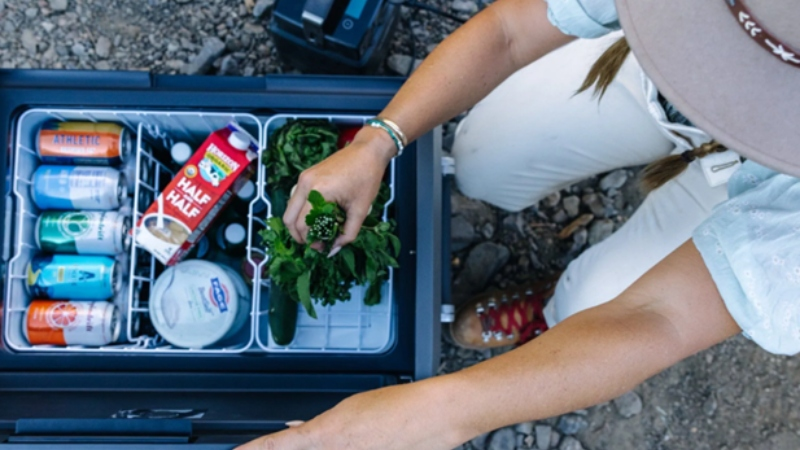
Capacity should match the amount of food and drinks you usually carry. A smaller cooler may work well for solo trips or short outings. However, longer trips or group travel may require more storage space. Choosing the right capacity can also help you avoid carrying a cooler that is larger than necessary.
Start by considering how many people will use it. Then think about how long your trips usually last. The type of items you carry also matters. Bottles and containers can take up different amounts of space.
You should also check the cooler’s internal layout. Some models offer separate compartments or dual-zone cooling. This can be useful when you want to keep refrigerated and frozen items apart.
3. Power Options and Energy Use
An electric cooler needs a suitable power source, so check its compatibility before buying. Your needs may differ depending on whether you use it in a car, RV, boat, or at a campsite. Therefore, consider where you will use the cooler most often.
Many models can connect to a vehicle through a 12V or 24V DC supply. Some also support household AC power. Certain compressor coolers can work with solar power setups as well. These options can provide more flexibility during longer trips.
Energy use is another important factor. Check how much power the cooler requires and how it manages battery use. Some models include battery protection features that help prevent excessive vehicle battery drain. This can be useful when the cooler needs to run for extended periods.
4. Portability and Size

Size matters when you need to carry your cooler often. Before buying, check the space available in your car, RV, boat, or campsite. Compare it with the cooler’s external dimensions. Make sure there is enough room to open the lid and access the contents.
Weight is also important. A smaller cooler may be easier to move between your vehicle and campsite. Larger models may need more effort to load and unload. Think about how often you will move the cooler during your trips.
You should also leave enough space around the cooler for proper use. A good fit can make storage and access much easier.
5. Features For Your Outdoor Use
Once you have considered cooling, capacity, power, and size, look at features that match how you plan to use the cooler. Avoid choosing features simply because they sound useful. Instead, focus on the ones that solve a specific problem during your trips.
For example, dual-zone cooling can help when you want separate refrigerated and frozen storage. Some models also offer connectivity features that let you monitor or control temperature through an app. Dometic’s CFX range includes Wi-Fi temperature control, while its current electric cooler range includes models with single- and dual-zone configurations.
You should also consider the activities you regularly enjoy. A cooler for short car trips may have different requirements from one used for fishing, camping, boating, RV travel, or overlanding. Dometic specifically identifies these types of outdoor activities as use cases for its electric coolers.
Finally, consider how often you will use the cooler. If it will only come out for occasional weekend trips, you may not need every available feature. Frequent travelers may place greater value on temperature control, multiple power options, capacity, and other practical features.
Conclusion
Buying an electric cooler involves more than choosing a size and checking the price. Start by considering the cooling technology and temperature range you need. Then think about capacity, power compatibility, portability, and features that suit your activities. Your typical trips should guide each decision.
A compact thermoelectric model may work for simple travel needs, while a compressor cooler may be better when you need consistent refrigeration or freezing in demanding conditions.
By comparing these factors before buying, you can narrow down your options and choose a cooler that fits your vehicle, travel plans, storage needs, and outdoor routine.

Erin Durkheim is an author and content contributor at Gingerbread Nails, covering nail designs, nail care, beauty tips, fashion, and product-related topics. She focuses on creating practical, easy-to-understand content that helps readers explore nail trends, care routines, and everyday beauty ideas.