
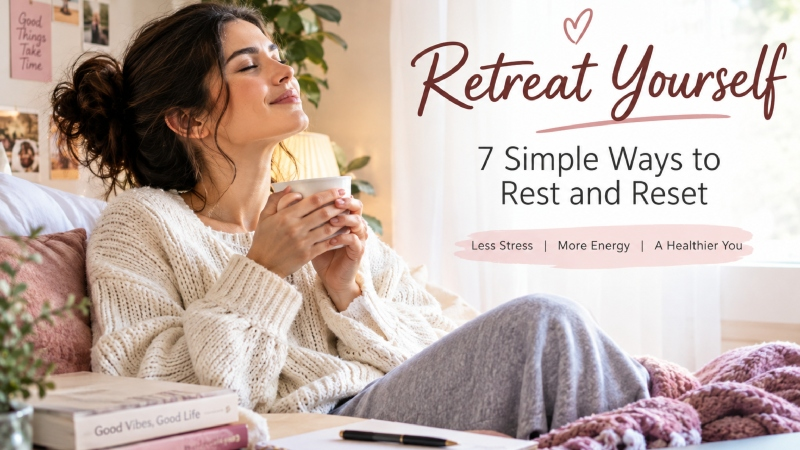
Busy schedules can make people feel tired without noticing it. Work, family duties, screens, and daily problems can fill every hour. As a result, the mind may never get enough quiet time. Learning to retreat yourself can create space for rest and better thinking. It does not mean running away from responsibilities. Instead, it means taking a short break from constant pressure.
Small Breaks Can Make a Big Difference
When stress continues for too long, simple tasks can start feeling difficult. People may become impatient, distracted, or mentally tired. Therefore, regular breaks can help restore energy and focus. A quiet morning, short walk, or peaceful evening can provide useful distance from daily pressure. Even a small personal break can help someone return with a clearer mind.
What Does Retreat Yourself Really Mean?
Creating Healthy Personal Space
The phrase retreat yourself can describe intentionally stepping away from noise and pressure. It can involve spending time alone, visiting a peaceful place, or simply slowing down at home. The goal is not isolation. Instead, the goal is creating healthy personal space for rest, reflection, and emotional balance.
Choosing Rest Without Feeling Guilty
Many people believe that resting means wasting time. However, proper rest supports better performance and decision-making. A person who takes time to recharge may handle responsibilities more calmly. Therefore, personal downtime should be viewed as a useful part of a healthy routine. Rest becomes more valuable when it is planned rather than forced by exhaustion.
How to Retreat Yourself Without Traveling
Start With a Quiet Hour
A personal retreat does not require an expensive hotel or long journey. A quiet room can become a simple place for relaxation. The phone can be placed away, notifications can be turned off, and unnecessary noise can be reduced. During this hour, a person can read, stretch, breathe slowly, or enjoy a favorite drink. These small actions can create a peaceful reset.
Spend Time Outdoors
Nature can also provide a simple escape from daily pressure. A nearby park, garden, walking path, or quiet outdoor space may work well. Fresh air and gentle movement can make the break feel more refreshing. Additionally, walking gives the mind something simple to focus on. This can make it easier to leave stressful thoughts behind for a while.
Benefits of Taking a Personal Retreat
Better Mental Focus
A planned break can help reduce mental clutter. When the brain receives fewer distractions, important thoughts become easier to organize. Retreat yourself moments can also help people decide what deserves attention. Instead of reacting to every problem, a person can pause and consider the next useful step.
More Energy for Daily Tasks
Rest can also support better energy throughout the day. Constant activity can leave people feeling drained, even when physical work is limited. A peaceful break allows the body and mind to slow down. Afterward, ordinary responsibilities may feel more manageable. For that reason, regular personal retreats can become a practical part of a balanced lifestyle.
Stronger Self-Awareness
Quiet time can also help people understand their needs. A person may notice that certain habits create stress or that some activities bring genuine happiness. This awareness can lead to healthier choices. Furthermore, personal reflection can help identify priorities before life becomes too crowded again.
Simple Ways to Make a Retreat More Meaningful
Leave Digital Distractions Behind
Phones and social media can make true rest harder. Constant messages and updates keep attention moving from one thing to another. During a personal retreat, limiting screen time can make quiet moments more effective. A person does not need to avoid technology all day. Even one screen-free hour can create valuable mental space.
Choose Activities That Feel Restful
Every person relaxes differently. Some people enjoy reading, while others prefer walking, cooking, drawing, gardening, or listening to calm music. The best activity is one that feels peaceful rather than demanding. Retreat time should not become another task to complete. It should feel natural, comfortable, and easy to maintain.
Plan the Next Step
A retreat can become even more useful when it ends with simple reflection. A person can consider what caused recent stress and what needs attention next. Writing a few thoughts down may help organize ideas. However, the process should remain simple. The purpose is clarity, not creating another complicated routine.
How to Build a Regular Retreat Routine
Begin With Small Changes
A successful routine does not need to start with an entire weekend. A person can begin with fifteen or thirty quiet minutes. Later, longer breaks can be added when the schedule allows. Small steps are often easier to maintain than major lifestyle changes. Retreat yourself habits become more useful when they fit naturally into everyday life.
Pick a Realistic Schedule
Consistency matters more than creating a perfect plan. Some people may prefer a quiet morning, while others may have more free time during the evening. A weekly personal retreat can provide a dependable chance to slow down. Additionally, a longer break every few months can offer a deeper reset when life becomes especially demanding.
FAQs About Retreat Yourself
What does retreat yourself mean?
Retreat yourself means intentionally taking time away from daily pressure. It focuses on rest, quiet, reflection, and personal renewal. It does not necessarily require travel or complete isolation.
Is a personal retreat expensive?
No, a personal retreat can cost nothing. A quiet room, local park, peaceful walk, or screen-free evening can provide meaningful downtime without expensive plans.
How long should a personal retreat last?
There is no fixed amount of time. Even fifteen minutes can help someone slow down. Longer breaks may provide deeper rest when a person’s schedule allows.
Can someone retreat at home?
Yes, home can be an excellent retreat location. A quiet space, limited notifications, relaxing activity, and simple routine can create a peaceful environment.
Does retreating mean avoiding responsibilities?
No. Healthy retreating means taking temporary space before returning to responsibilities. It should support better balance rather than become a way to permanently avoid important duties.
What activities work well during a retreat?
Reading, walking, journaling, stretching, gardening, meditation, music, and quiet hobbies can work well. The best choice depends on what helps a person feel calm and refreshed.
How often should someone take a retreat?
A short personal break can happen daily or several times each week. A longer retreat can be planned monthly or whenever life becomes especially stressful.
Can retreating improve productivity?
A well-timed break may improve focus and reduce mental fatigue. After resting, people may return to important tasks with greater clarity and energy.
Conclusion: Make Time to Retreat Yourself
A Simple Habit Can Support Better Balance
Modern life often rewards constant activity, but people still need time to recharge. A personal retreat can provide quiet space without requiring major changes. Retreat yourself moments can support clearer thinking, healthier routines, and renewed energy. The process can begin with something as simple as a quiet walk or an hour without screens. Start small, choose a realistic routine, and make personal rest a regular part of life.

Erin Durkheim is an author and content contributor at Gingerbread Nails, covering nail designs, nail care, beauty tips, fashion, and product-related topics. She focuses on creating practical, easy-to-understand content that helps readers explore nail trends, care routines, and everyday beauty ideas.